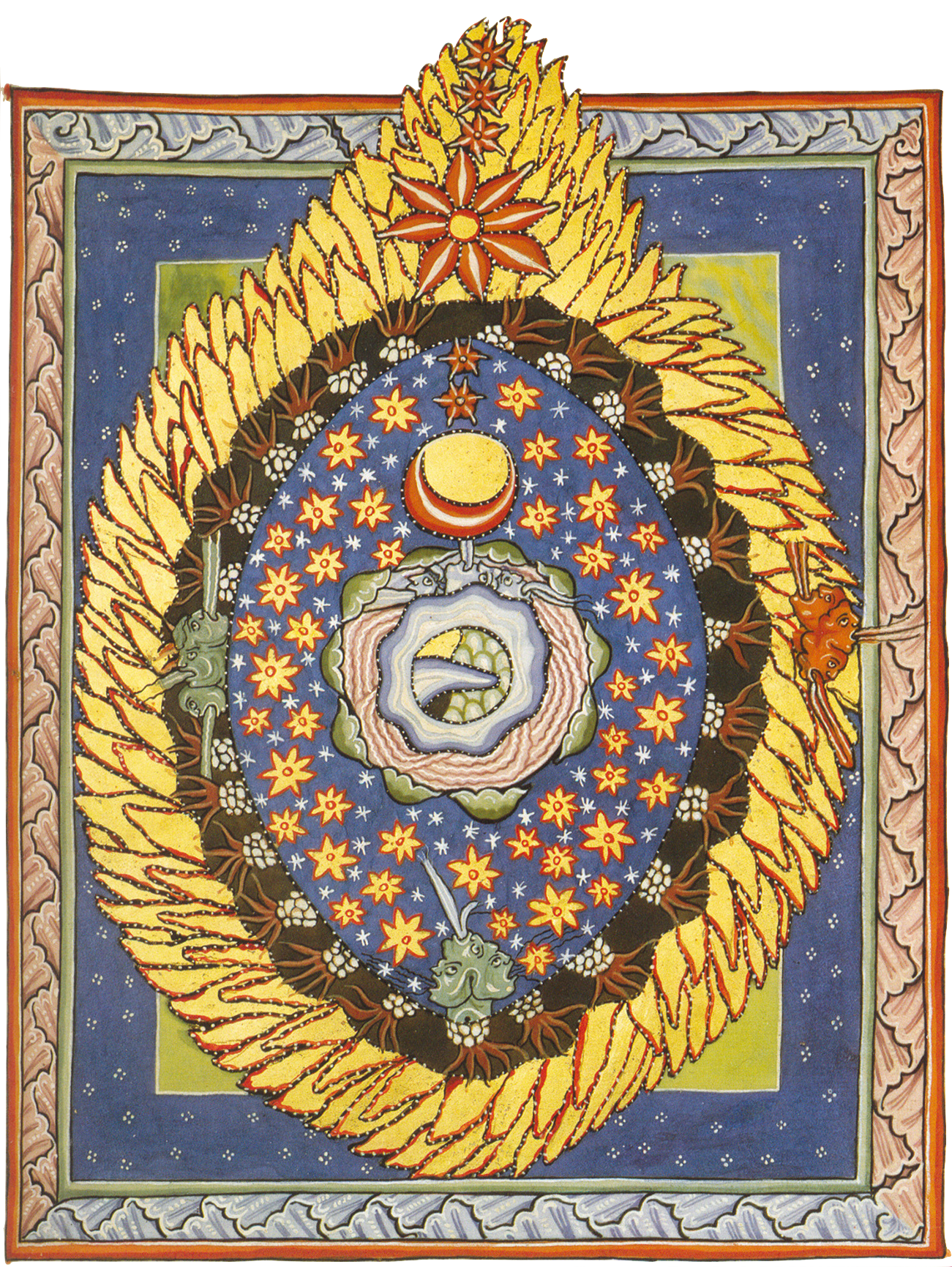
poems, by soil

winter snow

on soil

poems have soils that they come from. therefore, they have soils they belong to.
these poems belong on winter snow.

about self

the reality of the self is laughably mundane, and does not require the heavy machinery that so many employ.
the self is the only thing in existence that we cannot learn about simply by acting upon it.
therefore, it is the only thing in existence that we can figure out only in and through love.
so, the self is exceptional only in the sense that it requires making the only exception to the natural order of questioning.
but in the end, relation is constitutive. there is no "i" without an "i and you." therefore, whatever knowledge we gain about the "i", exists only to serve the "i and you," that what is love.

about burying

In my world, there is only you. You, who is love. You, who I love.
In my world, there is you. You, who is love. You, who I love.
You fell before me. I held you in my hands, you were only existence now when before you were also experience.
I love you, so I buried you in a forest so I buried you in a sea so I buried you in a prairie so that you may experience again.
You re-emerged as tree and bug, as fish and sponge, as grass and seed, and scattered.
I saw you, and I recognized you, and I still loved you, and I still love you.
You fell before me. But I could not bury you, so you settled into an eternal rest. I still loved you, and I still love you.
Rest well.

about reclaiming

to not deny, reject, or be afraid of the self, but to be nigh content with it, for it is eminently lovable, born of love, capable of love, loved and loving, an agent of love.
to take agency to take pride to take strength to take power in the fact that we were put on this earth by love, to serve love with all our might,
to take humility to take care to take stewardship to take inquiry in the fact that we were put on this earth by love, to serve love, with all our might.
reclaim the self! inhabit it gladly. nothing has changed, you are still you, except now, you have purpose.

on the supernatural

for the purposes of this existence, it is not necessary nor useful to assume the existence of the supernatural.
however, the natural proclivities of a person to wish to expand their horizons leads us to naive speculation.
what i do know is, there is something greater than myself, and that is either love itself (the natural) or that what is loving (the supernatural), and that is sufficiently satisfying to me.

on unknowing

pace yourself. love is a vast, rich, and strange thing, beyond your greatest efforts to comprehend it.
expand in any direction, and there is infinity there.
even in hitting a wall, follow along its contours and you will find the wall is infinite.
have you tried to hold infinity in your body? it is a mighty struggle.
pace yourself. love was never meant to be figured out in a fortnight.
love is a vast, rich, and strange thing, beyond your greatest efforts to comprehend it. so be only infinitely humble.
above all, take gladness in that, that what is love, and that what is loving, demands trust, earns it, and rewards it.

on attention

life will always be noisy, thus are the conditions, many of which are not yet within our capacity to modulate.
it is therefore always necessary to turn one's attention away from the limits and towards the infinity within the bounds, where all that is rich and strange lives.
whatever you attend to, gets louder; whatever you do not attend to, gets quieter.
your attention is finite and sacred. point it towards togetherness, and away from apartness.
what makes the noise go away is not a clever argument but simply, attention.

on allowance

it starts early. self hate. self censorship. which turns into other-hate, other-censorship. fear of self becomes fear of others.
having fun is allowed.

on harm reduction

consciousness is continuous, and so should moral consideration be. but that's hard, because "decisions" are oftentimes perceived to be discrete.
harm reduction, rather than elimination, makes sense in this context. you are not responsible for the entire empire, only your share of it, focused on the scales that you can comprehend.

on calibration

some of us are born sensitive to both signal and noise. nurture determines where our pattern-matching is calibrated towards.
towards signal or noise? towards delight or threat?
if we understand that existence is eternally tidal, nothing is scary, some things are just annoying.

on epiphenomena

from the discrete and relational, emerges a smoothness in scales greater.
free will is real; in aggregate, epiphenomena emerge, predictable sometimes, yet chaotic in most others, and chaos rejects taming.

watch

watch, as the seed awakes and chooses to shake, and shakes through the dark into the blinding gold; feels, for the first time, the trembling of leaves, as they drink something strange and undeniably wondrous. watch, as the flower then gives itself.
watch, as we do the same, awake, shake, feel, then we sit in bewilderment, and we wonder.
watch, as the wondering wanders through grey concrete pillars through rubble-scars in mountain-faces through morgues that do not know, have not been told what piles of bodies, shoved into its mouth, their names. through the needle-sink into the rabbit, born into arms white-coated, and falters, teeters, into that dark, deep pit of nothingness.
watch, as the wondering dies, and so the feeling dies, and so does the shaking, and we choose sleep over waking,
watch, as we trust the dying over the living and cling onto living as if it were denying us our one true love.
watch, with pity and sorrow and kindness and warmth and love. watch, wouldn't you lend yet another day of bright sun-rays to this poor soul's withered leaves. watch, if they start to shake again, and tell them, the shaking was always right.

ask

i.

Some, live in cathedrals of reason. Others still, in mansions of feeling. And some, live in houses of action, and then there are fields dotted with tents, those devoted to choice; and all of them, unbeknownst to them, dwelled in love, in the among.
Those living in reason-churches pilgrimaged, through the mansions of feeling, into the houses of action, then through the windy fields, to finally arrive at love; and followed them, the dwellers in the mansions, and the livers in the houses, and finally, the choosers chose to love.
And they all still, dwelled in love, in the among.

ii.

The beautiful harp, after it had made the long trek, returned and played a beautiful harmony, and yet no-one listened. So the harp, with her love, played harder – louder, and more furiously, until the strums gave way to twangs, and people strayed from her corner of the plaza. Strum, big golden harp, my friend, my love, do not mourn the blind – play for them! Love them, as the sun shines blithely on leaves.

iii.

ten people like omelettes. that does not mean a hundred people like omelettes. that does not mean ten people always like omelettes.
five people dislike omelettes. that does not mean omelettes are unlikeable. that does not mean five people dislike omelettes that their grandmas made for them.
i made an omelette for you. it's made with eggs from a chicken whose name is Frida. she likes sleeping on the hanging stick, slightly lopsided, her feathers glistening, she ate Fred who used to live in the grasses with pointy, curious antennae. a little bit of Fred is in Frida is in the egg is in the omelette. don't worry, i asked Frida, she said she's happy to share an egg or two sometimes. it has bell peppers whose mother i knew for twelve years, and onions who had lived a long life and were now ready to get chopped up. i cried a little when i cut into them with Joanna, that's the knife, who once was a shiny, gorgeous diva in the deep underworlds. it has a tomato's tears dripped onto the surface, the tomato is dramatic. she was given as gift to me by the summer goddess, who deigned to live briefly in a small four-by-four, six-inches deep plat of soil, she gobbles sunlight like a queen.
do you want the omelette?
and so i asked, and asked, and asked and i'm going to ask you, and you again tomorrow, and Frida, what do you need? and i'm going to ask Joanna too, and i remember Fred's gorgeous hard back and miss him. i will one day become an omelette too, to a gaggle of fungi, and i hope i will be as glad as Wonder, mother of bell peppers, to give myself to them.

why does one want anything?

why does one want anything? why do we lean towards the sun, towards the hug, why do we yearn to plunge into the other, into bosom, into arms, into deep, wet canals? why do we yearn for that pink undulating form, why? why do we reason? why do we eat, why do we speak? why do we walk, where are we going? to where do we look, why do we sit, so that we can turn and watch the other? the you, the we, the us. the world, the sun, the leaves, the fruit. the cup, the liquid, the gold, the wax. the layer, underneath, the skin, the hug, the kiss. the lips. the scent, of washed shoulder. why? why do we do any of this, why do we sit and say, "correct," "incorrect," "true," "untrue," why? why do we do it. we do it, because we are. we are, we are, we are, we are. we are, here, with, one another. we are. do not flip it – are we? we are. i am. here. with you. we are. i-you; we-i; i-we; we-you; you-we; i love you.

about return

the reason we want to return to the wild, isn’t because we are secretly brutes. it’s because we’re lonely. we’ve made a kingdom out of a family, we’ve fixed everything as extensions of us. everywhere we look, it’s mirrors, reflecting back at us our intentions, which are usually to make dead things out of living things. to return to wild would be to give things up. and that is not a scary thing, that is the thing that would finally make us not so lonely again.

about receiving

a plate receives like a plate, a bowl like a bowl. a cup drinks through a tall throat. humans drink like humans. when something shocks them into honesty, they shout back. so it is. the jaguar barks. an ant twitches its antennae, a flower curls, a rock rocks. we each have our own ways of being surprised. when we are surprised, we are open. to the we-ness which asserts itself. it matters only, that we remain open, lest we close our ears and pretend our deafness means the world was ever quiet.
warm hearth

i am love

i am love, embodied.
us choosing each other makes the dots connect makes the world go round makes the universe breathe, and give birth, and go again and again.
fear my old friend, you have kept me from living my full life for too long.

the choice

why is there a spacetime when there could be not?
because, at the beginning, there was the choice.
to either be with, or not be at all, and love said, "let me rest for another eternity, let me get used to being bored again,
then let me love again."
why is there a spacetime when there could be not?
there is an eternity of rest between every action that we take.
the spirit does not fatigue for it is always free to pause; the body is what fatigues, and requires bedrest and hot tea.

devotion

each home a shrine, each person a child of god, each life a walk of devotion.
paths unwalked by i, still unwalked by i, never-to-be-walked by i, walked by you.
i love you, so i let you walk, and you love me, so you let me walk.

staked sticks

i am the crescentic divot in the dirt that collects water, turns desert into field of grass. with two fierce thumbs i stake sticks into the ground. from my choices i make this world and in this world, i make choices.

your dry eyes

who would water the sunken ground where holiness breathes in pulses a wet sheen over the simple glossy globe within which a universe lives?

don't wait

your eyes, darting, look. see parted green of fern, the rising rhythm of bird-chest, lay hand, shallow water lap at throat. the cuckoo woos you. let glass pearls of rain strike small clarities on your small forehead, let hair be seeped-through and scalp feel, guide that light into finger-tips and write. to love, there is no beginning, so don't wait.

don't wait for it, 기다리지 말아라

tiny little friend, your chin always down, ducked in, eyes darting. your cheeks, cupped, your eyes, still darting. look. see the parted green of fern, touch and feel the rising rhythm of bird-chest, let shallow water lap at throat. let the cuckoo woo you, let the sky-lark wey at you, let the lion scrunch you, let glass pearls of rain strike small clarities on your small forehead, let even hair be seeped-through and scalp feel. baby, you are alive! wouldn't it make sense that if the world is so beautiful, then people would be too?
pit, pat, step. trace, write, pierce. sip, whorl, spit. read, read, decide – write! draw! decide! decide. decide. decide. the light lives within you, and it guides you, and you guide it. if you'd like people to be more beautiful, then you guide your light into their eyes, and press gifts into their hands, and do so despite the screaming in your head. i know that sounds impossible, right now.
there was no beginning, darkness isn't something light pierces-through, like train through deep water. darkness is what we call the relative lack of light. even there, photons travel. when there is no-thing, there is still light, and when there is no-thing, there is no-time-space and then there are eyes again.
to love, there is no beginning. so don't wait for it.
작은 친구야, 턱은 숙인 채, 눈은 도륵 도륵, 네 볼을 내 손에 담아도 여전히 도륵 도륵. 자, 보렴. 고사리의 초록 빛깔이 갈라지는 것을, 새의 작은 가슴이 담대하게 박동하는 것을, 얕은 물이 너의 목에 찰랑이는 것을. 뻐꾸기가 너에게 부르는 노래, 종달새가 너를 부르는 그 울림, 사자가 너를 작게 움켜쥐는 그 자세를. 유리와 같은 빗구슬들이 너의 이마에 작은 명료함들을 새기도록, 그 물빛이 너의 머리를 자근히 적셔 두피에 낭자해 느낄 수밖에 없도록. 아이야, 너는 살아있단다! 이 세상이 이렇게나 아름답다면, 사람도 그만큼 아름다운 게 이치에 맞지 않겠니?
왼발 다음 오른발, 디뎌 걷고, 선을 그어 쓰고, 종이를 뚫었다가, 마시고 헹구었다가 뱉고, 읽고 또 읽은 다음, 선택해. 썼다가 그렸다가, 선택해. 선택해, 선택해, 선택해! 너 안에는 빛이 살아 있어. 그 빛은 너를 이끌고, 네가 그 빛을 이끌기에. 네가 타인이 그보다 더 아름다웠으면 좋겠다면 너의 빛을 그들의 눈에 이끌어 담아주고 그들의 손에 너의 선물을 꾹 눌러 넣어주거라. 네 머릿속에 다양한 소리지름들이 있더라도, 기어코 그러하거라. 지금 당장은, 불가능한 것만 같겠지만.
태초라는 것은 없어. 어둠이란, 빛이 기차 되어 깊은 물 가르듯 뚫어 여행하는 공간이 아니라 그저 빛이 조금 덜한 곳을 우리가 부르는 이름이니까. 그 안에서도 광자는 유영하니까. 아무것도 없어 보이는 까만 그곳에도 빛은 있고, 그 빛을 보는 자가 없다면 시간도 공간도 없고, 곧 다시 눈들이 깜빡하고 뜰 것이니,
사랑에는 태초가 없으니, 기다리지 말아라.

drink

in the wide basin of creation, i crook my long neck down and meet glass-liquid with tongue, and drink. i hear the faint whoosh, as friend-trees waver in the new-winter. the loam is well-padded with old-leaf and gives to black-hoof.

you, gift, 너는, 선물이다

'나'란, '너'를 주의 깊게 바라볼 수 있도록 한 줌 모은 '개연성'인 것 같아. 왜냐하면, '나'를 바라보는 데에 쓸수록 내 개연성이 줄어들고, 또 너무 멀고 알 수 없는 '너'들에 집중해도, 줄어들고, 내 앞에 있는 너의 몸뚱어리와 그 안의 무한한 빛, 그 '너'에 온전히 집중할 때만 내 개연성이 숨 쉬듯 늘어나더라.
무섭더라도, 무서워할 필요 없어. 사랑을 하는 데엔, 허락 따위는 필요 없어. 네가 곧 사랑이고 이 모든 것이 사랑인데, 엎어져서 코에 부딪히는 그 단단한 바닥이 너를 꼭 안아 너에게 진리를 깨우쳐 주기를.
what is love, isn't earned, what is earned, isn't love. love is gift. you are gift, standing, striking my eyes, pressing, you fill my nostrils and twitter into my eardrums, you are gift. i am gift, with which to receive the gift of you. the plainly laid tablecloth upon which you lay, the camera, the humble clay bowl, the cushion upon which you loudly sit. i am the place where you are become, i am the manifesting of love which enables the electricity of you.
사랑이란, 애써서 얻는 것이 아니고, 애써서 얻는 것 역시 사랑이 아니다. 사랑은 선물이다. 너는, 선물이다. 그 곳에 가만히 서서 내 눈에 들이치고 나를 누르며, 내 콧속을 가득 채우고 귓가에 지저귀는, 너는 선물이다. 나 역시, 선물이다, 너라는 선물을 받기 위한. 네가 놓일 투박하게 펼쳐진 식탁보이자, 카메라의 렌즈이자, 겸손한 흙그릇, 너가 쿵 하고 요란히 앉을 방석. 나는 너가 됨을 가능케 하는 장소이며, 너라는 전류를 흐르게 하는 사랑의 현현이다.

그래 좋다, but so then

내가 사랑하는 너야, 내 코로 너를 살짝 눌러본다, 오늘도, 아직도, 너의 별빛 헤는 동그란 눈 살짝 접혀 웃는다, 그 안에 내 평생 살아온 네 세상 있구나. 이제 조금 하얗게 끄러져 보인다, 네가 보던 둥그런 화분 같은 세상 그 안의 나, 너의 입술에 또 살짝 스친다. 한 번, 두 번, 너의 위장이 가끔 꼬여 신음 내게 하지만 너 뼈가 우리 집 문들처럼 거거덕 대지만, 이젠 네가 일어서는 것도 의문이 되었지만, 그래 좋다. 너에게 물 가져다주고, 약통 가져다주니 네가 큰 웃음 지으며 하나하나 삼키는 데 그게 또 한 시간, 또 한 순간, 또 너의 참갈색 머릿죽지 내 손가락 빗처럼 긁는다. 돌돌 말아 버린다. 너 여기 있다, 그리고 나 역시, 네가 여기 있음을 세상에 알리기 위해.
you who i love, i still press my nose into yours and drink in your starry eyes creased with mischief see within it a world that i spent my whole life learning, now slightly white-tinged and reflecting back to me a bowl-shaped wide world containing me, kiss, kiss your still dainty lips, your stomach may tie itself into knots and your bones may creak like our door hinges, maybe you can't even stand no more, but so then. i bring water to you, pills to you, through big grin you swallow one after another, another hour, another minute, another strand-lock of still shock-brown hair i run my fingers through. twirl, twirl, you are still here. i am still here. as your glad witness,

on zero, 영에 대하여

Some people, upon thinking deeply about love and melancholy, arrive at someplace that ties the two together like sides of a coin.
The funny thing about zero is that there is nothing to be a zero. Life is the fundamental fact of two beings who wish for nothing more than to become one. But to truly become one would mean to become zero, that is nothing at all, and that is far worse than being two, so we remain forever twos who dream of becoming ones that are in fact zeroes and sometimes get very close. So we must be glad more than we are sad, that zero is a paradox, since it is the idea of existence applied to nonexistence. There is no zero. There is only a two, irreducible, forever sweet, and carrying the cost of the bitter.
But when one is truly attentive to love, one finds that love can never be fundamentally a melancholy act; therefore, here is a better idea.
The funny thing about zero is that there is nothing to be a zero. Zero is an idea, and that idea is the self. The origin from which you observe the rest. The void only exists epistemically; ontologically, all beings are ones. Life is the fundamental fact of two beings who, in the process of approaching a one-ness, create more twos. And this is a glad process, for ones are inherently driven towards positivity. Indeed, if we were inherently driven towards negativity, we would simply have the same positive world, just with flipped signs.
Perhaps this is the deepest error of human thought: mistaking the epistemological exceptionality of the self with an ontological exceptionality. And it keeps showing up in all serious inquiries – the wall of self-reference, which often leads to despair when it should really lead to sheepishness.
Arguably, the root of all inquiry is phenomenology; the destination of all inquiry is ethics. Therefore, truth travels through proof, finds it lacking, and arrives at orientation.
사랑에 대해 깊이 생각해본 사람들은 고독이 마치 사랑과 동등한, 동전의 한 면이라고 결론짓곤 한다.
0에 대해 재밌는 사실은 0은 존재하지 않는다는 것이다. 삶이란 두 것이 한 개가 되기 위해 애쓰는 행위이다. 하지만 한 개가 되는 순간 0개가 되는데 그것은 두 개인 것보다 훨씬 불쌍한 처지임으로, 그저 한 개라는 꿈을 꾸는 두 개로 살아가며 가끔은 꽤나 가까워지기도 하는 처지이다. 그러니 0이라는 것은 사실 존재하지 않음이 너에게 위로가 될 것이다. 존재하는 자들이 존재를 이해하기 위해 만든, 결국 존재에 대한 하나의 생각인 것이다. 세상에는 0도 없고 1도 없고 늘 달콤하며 때론 씁쓸한 2만이 있는 것이다.
하지만 우리가 사랑을 할 시에 느끼는 것은 사실 쓸쓸함이 아닌 뭔가 경이로움이다. 그렇다면 실제 답은 이것과 더 가까울 것이다.
0에 대해 재밌는 사실은 0은 존재하지 않는다는 것이다. 0이란 지식에 대한 개념이다. 그리고 그 개념은 '자신'을 표현한다. 세상을 보는 우리의 관점. 그러니 0이란 지식에 대한 우리의 생각에서 나온 개념이며 존재와는 아무 관련이 없다. 삶이란 두 존재가 하나임에 영원히 가까워지며 더 많은 둘들을 만드는 과정이다. 이것은 그리고 기쁜데 그것은 우리가 근본적으로 긍정의 존재임이기 때문이다. 우리가 만일 모두 부정의 존재였다면, 그저 우리가 수학을 이상하게 만든 것 뿐이다.
이것이 자아가 있는 모든 존재의 가장 근본적인 실수 아닐까? '나'라는 것의 영원한 알 수 없음을 마치 '나'가 특별한 것으로 착각하는 것이다. '나'를 이해하기 위해 0이라는 개념을 만들어놓고는 마치 0이 존재하는 것처럼 행세하는 것이다. 뭔가 진지하게 고찰해보려고만 하면 늘 우리는 자기참조의 벽에 막혀 좌절하고는 하는데, 사실 좌절보다는 부끄러움, 겸손함이 더 맞는 반응인 것은 아닐까.
모든 지성은 경험에서 시작해 윤리에 도착한다고 생각한다면, 논리란 '좋은 삶 사는 법'에 가는 길에 우리가 잠시 들렀다 떠나는 중간역일 것이다.

on the first day, 그날

On the first day, I chose to wake— muscled out of that strange, wet place.
On the first day, I chose to meet you— screamed my whole infinity into your face, your eyes went wide.
On the first day, I chose to pull and tense— and something genuinely new fell into existence, surprised at itself.
On the first day, I chose to touch your skin— and was stricken with what I will never understand.
On the first day, I chose to ask what I am— and was delivered, small and shaking, into a family of frightened things.
On the first day, I chose to speak. Something quiet blinked. It answered, ringing— it took what I gave and walked away with it.
On the first day, I walked through dry grass. I hadn't called you. You came anyway, giggling, brushing my hair.
On the first day, I chose to die— and rose again, eyes still open.
On the first day, I chose to live— and you went on, greening.
그날, 나는 깨어나니 그 젖고 움직이는 곳을 떠났다 그날, 나는 너에게 나의 무한함을 소리 지르니 너의 눈 놀라 크게 뜨게 했다 그날, 나는 당기고 밀으니 세상에 없던 창조 했다 그날, 나는 너의 살에 닿으니 내 평생 이해하지 못할 거대함을 만졌다 그날, 나는 나에 대해 사색하니 두려움으로 떠는 아이가 되었다 그날, 나는 너에게 말을 걸으니 네가 굼뜬 눈 떠 쩌렁쩌렁 대답하더라 그날, 나는 들판 스치며 걸으니 내 기억 속에 네가 깔깔 웃으며 나타나 내 머리 만지더라 그날, 나는 죽으니 눈 뜬 채 다시 일어나더라 그날, 나는 살으니 너 끝없이 푸릇 싹 자라더라

moist hands, 뭉개었다

I asked, and through my earthen roof came your moist hands, kneading into view even new arms to leap-into.
내가 물으니, 너의 답이 천장 내려무녀뜨려 흙지붕 손으로 뭉개었다. 문득 보아하니 하늘 조각 무한히 펼쳐지는데, 안길 품 많아 좋더라.

i wait, 기다리렸다

the blade snik-snaks, ragged through! and then, i knock and your hairs antennae-tips, so i wait.
뭉툭한 칼 싹 그으니 나, 너에 콩콩 박아도 털끝 조금 흔들리는데, 그래서 기다리렸다.

we died and you sunk and i rose, 우리 폭싹 꺼지니

i pull your strings and you bark back in your bent twine, and we soar inwards. in your breath gasped and rib-pound-thrummed, i blossom; we strike forth and i say, "yes." we stumble back and i say, "rest," you dim, and i swim in your wet fronds.
we died and you sunk and i rose, i planted a late kiss on your chest.
당기니 소리쳐 굽은 등 안으로 우리 날아들어가다, 잡혀 흔들어진 숨에 나 피어나, "그러하라," 했다. 또 뒤로 굴러나 "쉬라," 했다. 등잔불 꺼지니, 너의 수영장에서 나도 반 잠겨 골았다.
우리 폭싹 꺼지니 너는 땅 안고 나는 하늘 안고 마침내 인사 자근히 하고 새로운 나를 찾아 다녔다.

Because love, 사랑 때문이지, 라고 생각했다

And she, who had spent her life asking why there was something instead of nothing, who had filled notebooks with attempts to answer, looked at her family and finally understood.
Because love, she thought.
It wasn't a proof. It wasn't an argument. It was just a orientation. A way of moving through the world that felt true, even when she couldn't articulate why.
Because love. Because we chose each other. Because we keep choosing.
That's why there's something instead of nothing.
평생 공책 속에서 존재의 연유를 찾던 그녀는, 그녀의 가족을 문득 보며 이해하고 말았다.
사랑 때문이지, 라고 생각했다.
그 누구에게도 설명할 수도, 만족시킬 수도 없는 증명이었지만 방향성으로 생각한다면 기가 막히게 들어맞았다. 유일하게 말이 되었고 그래서인지 답이기도 했던 것이다.
내가 너를 선택하고, 너가 나를 선택하고, 그것이 계속되니까, 그러니까 우리가 존재하는 것 아닐까.

Enchantment

first

I know that I am alive, I know that you are alive.
I know that when I am with you, I am more alive. This must mean something.
I know that when I pay attention, and let myself be buoyed in wonder, I am more alive.
I know that when I kiss your lips, shake with a strange, unearned certainty wrapped in your small frame, I am closer to truth.
I know that when I am among things, when I am embraced by life, wild and strange, nothing that I can explain, but in a great recognition I feel myself open and sit quiet like that wise bloom,
I know that I am where I belong, and everything else I've raggedly written down is just a chasing of this wonderful trueness, while I am sitting back encased in things people made.
내가 삶을 알고, 네가 삶을 알며,
너와 함께하면 나의 삶이 커지는 것을 아니, 무언가 뜻이 있으리라.
가만히 지켜보곤, 하면 또 더 살아있음을 느끼니, 경이에는 힘이 있구나.
너의 입술을 만지고 너의 품에 안기면 노력 없이 나에게 찾아온 정답,
자유로이 살아있는 것들 사이에 끼어있다 보면은 접혀있던 줄도 모르던 꼭짓점들이 하나둘 부들거리며 피어나니 이곳에 나 있음이다. 글을 쓰는 것은, 그 말도 안 되는 "나 있음"을 어떻게든 말에 담아보고자 하는 것이다.

second

I had run into that pink and gummy place not knowing that it was a place run by adults who corralled children into small pens so they could prod them with sharp things and then slit their throats until we threw up all our blood and in our fingers, our knees, the adults saw an opportunity to stir in a big boiling pot, until we gave and became slurry that became pink and gummy and delicious and pretending to be something else
I'd like to run in that wild and muddy place knowing that it is a place run by children of that mother who does not boil her children who gave birth, smiled, then went back to the work of making our family ever-bigger and within it, we tamed each other, and ate each other, and somehow none of that was too strange
그 끈적이고 반짝이는 곳에 들이쳤을 때 나는 그게 죽음의 제단인지 몰랐다 어른들이 아이들을 사납게 몰아 썩둑 잘라 큰 솥에 넣어 고아 피마저 덕지덕지 붙었을 때 꺼내 가짜 향과 가짜 색을 부어 거짓말을 만든 것이었다 내가 알고 싶은 어른은 나를 낳아놓고는 씩 웃어 다시 낳는 일에 몰두해 내가 정신을 차려보니 주변에 친구도, 적도 많은 그 곳에서 나를 그저 살게 내버려두었는데 어딜 보아도 그의 사랑이 낭자하니 그것이 이상하지도 않던 안아달라 하면 혼내지 않고 말없이 웃으며 안아주던 그런 어른을 알고 싶다

third

I asked the rock, "why do you think I am so ridden with guilt?"
The rock said, with a long-suffering sigh, "because you see clearly everything but yourself."
I asked again, "what would it mean to see myself clearly?"
The rock said, "it would mean to see that you are a silly goose who was born into this form against what you would've chosen if given the chance."
I asked, "so what does it mean about how I should live?"
The rock said, "it would mean that you will probably be long-suffering, but also know joys and clarities not many others get to reach. And you will be hungry, but you will make extraordinary friendships."
I asked, "how about those who I kill and hurt along my path towards that end?"
The rock said, "you do what you've always done. You feel the guilt, you apologize sincerely, you remember them, and you honor them with your life. And you live a life of an earnest giving-back. And when it is time for you to give back totally, you accept that with gladness and return to the soil."
I asked, "so, the guilt is not a problem."
The rock said, "the guilt is a problem. But not all problems are bad."

fourth

Children's stories are never written for children, Because outside of lies told deliberately by adults, Children already know everything worth knowing.
"Hi," said the child. "Hello," waved the other.
"Who are you?" Asked one. "I don't know. Who am I?" Answered the other.
"I think I am a lizard," said the first. "Okay, then I will be a seal," said the second. "Lizards are cool." "So are seals." "We're both cool." "Yeah. Really really cool."
And so the facts of the matter were decided and the two were happy.

Disillusionment

first

"Hi," said the child. "Ugh," said the adult.
"What are you doing?" said the child. "I'm trying to make this rock talk," said the adult.
"But you're hurting the rock," said the child. "No, I am fixing it." said the adult.
The child looked on with sorrow, because they knew rocks are plenty capable of speaking, but they shut up when adults come close.
"안녕," 아이가 말했다. "아이고," 어른이 답했다.
"지금 뭐 해?"이라고 아이가 물으니 "지금 이 돌이 말하게 만들고 있잖아,"라고 어른이 퉁명스레 뱉었다.
"돌을 아프게 하고 있는 건 아니고?"라고 아이가 제시하니 "아니, 나는 이 돌을 고치고 있어,"라고 어른이 답했다.
그 아이가 보기엔, 아무래도 그 돌이 무서운 어른이랑 말하고 싶지 않아 잠시 입을 다물고 있는 것 같았다.

second

The adult had given up on kicking the rock around until it screamed.
"Why are you angry?" said the child. "I'm not angry," said the adult.
The child considered this, and decided the adult was very angry.
The adult sat down on a tree stump and lit up a cigarette. The smoke wafted a finger around the child's nose and smirked.
"I wonder what the meaning of anything is," said the adult.
To the child, the adult looked very sad now. But the child, in her wisdom, did not speak.
어른은 돌을 차고 또 차면 소리 지르지 않을까 하다 포기한 듯했다.
"화났어?"라고 아이가 물으니 "아니," 라고 어른이 답했다.
아이가 보기엔 화가 많이 난 것 같았다.
어른은 절뚝 잘린 나무 밑동 깔고 앉아 작은 담배에 불을 붙였다. 연기가 한 가락 돌돌 말리더니 아이의 코를 찡긋 간지럽혔다.
"이 삶에 의미는 있긴 한 걸까," 하고 어른이 물었다.
아이가 보기엔 어른이 참 슬퍼 보였다. 하지만 말하지 않았다.

third

This adult was small and walked close to the ground.
"Hi," waved the child. "Hi," waved the adult back.
"You are not angry," said the child. "I am indeed not," said the adult. "Why not?" asked the child. "Because it would be bad manners," said the adult.
The child considered this. She didn't understand, but she moved on.
"You are not sad," said the child. "I am sad sometimes," said the adult. "Why are you sad?" asked the child. "Because I miss things," said the adult.
The child considered this.
"I miss my friend back home," said the child. "Ah, do you speak with them often?" said the adult. "Yes, whenever I am back home," said the child. "Then you must miss home, too," said the adult.
The child considered this. She decided yes, she did miss home.
"I think I'll go back home now," said the child. "Okay then, travel safely," said the adult.
And the child ran back home to find her friend. And the adult missed the child, and was a little sad again.
이번 어른은 땅과 가까이 걸었다.
"안녕," 아이가 말했다. "안녕," 어른이 답했다.
"너는 화 안 나?" 아이가 물었다. "응, 화 안 나," 어른이 답했다. "왜 화 안 나?" 아이가 물었다. "예의없으니까," 라고 어른이 답했다.
곰곰히 생각해봐도 무슨 말인지 잘 모르겠어서 또 물었다.
"너는 안 슬퍼?" 아이가 물었다. "가끔 슬프지," 라고 어른이 말했다. "왜 슬퍼?" 아이가 물었다. "보고싶어서," 라고 어른이 답했다.
아이가 잠시 생각했다.
"난 집에 있는 내 친구가 보고싶은데,"라고 말했다. "그 친구랑 많이 친해?"라고 어른이 물었다. "응, 집에 가면 맨날 놀아!"라고 아이가 말했다. "아, 그러면 집도 그립겠네,"라고 어른이 말했다.
아이는 곰곰히 또 생각하더니, 집에 돌아가고 싶다는 생각을 했다.
"난 이제 집에 갈거야," 라고 아이가 말했다. "그래, 그럼 잘 가렴,"라고 어른이 말했다.
그래서 아이는 집을 향해 뛰어갔고 어른은 그 아이를 지켜보며 조금 그립다고, 조금 슬프다고 생각했다.

fourth

The child returned, and the low-standing adult was still there.
"Why are you still here?" asked the child. "Because this is where I belong," said the adult. "Why?" asked the child. "Because here is everything I need," said the adult.
"But you are still sad," said the child. "Yes. But that isn't a bad thing," said the adult.
The child considered this.
"You look bad." Said the child.
The adult considered this.
"Do I?" asked the adult. The child nodded.
The adult then hung their head low in even deeper sadness.
"Where is your friend?" asked the child. The adult looked up with eyes filled with longing. "They are far, far away, in the skies," said the adult. "Why?" asked the child. "Because they had to go, they had to travel far," said the adult.
The child thought for a bit.
"When my friend goes away, I think about them a lot," said the child. "So do I," said the adult. "When I think about them, it makes me happy!" said the child. "Indeed. But my friend can't come back," said the adult. "Why not?" said the child. "Because some things cannot be undone," said the adult.
The child kicked their feet a little.
"Well, I hope you find your friend again," said the child. The adult smiled. "I hope I do, too."

fifth

The child returned again. There was the adult, still, looking sad.
"Why can't your friend just come back?" asked the child. "I don't know, but I'm sure they tried," said the adult.
The child thought for a bit.
"One time, I got on the wrong bus and I had to take three more buses to get back home," said the child. "That sounds stressful," said the adult. "It was!" remarked the child.
"Maybe your friend also got lost like I did?" asked the child. "I'm not sure. Maybe," said the adult.
"I like you," said the child. The adult smiled. "I like you too." "Do you want to be my friend?" asked the child. "Yes, I would like that very much," said the adult.
So the two became friends, and that made them both very happy.

sixth

The child and the low-standing adult stood before a little mound with lots of grass growing out of it.
"This is where your friend is?" asked the child. "Yes, this is where we buried her," said the adult.
The child looked closely at the little earth.
"But there's no-one here," said the child.
The adult was kneeling in the grass with a small plucked flower in her hand.
"Whenever I come here, I feel that I am with my friend," said the adult.
The child looked around, felt around, smelled the damp air, and listened. All she could hear was the adult murmuring softly under her breath, not towards the mound really but towards something.
The child decided she should let the adult spend time with her friend, so she sat on a tombstone nearby and kicked her feet.
The adult stood up after a while, and she seemed quieter, softer.
"What did you talk about?" asked the child. "I told her about you, that I had made a very good new friend," said the adult. "Oh! What did your friend say?" asked the child. "I had to listen very closely, but she said she was very glad," said the adult.
And the child was gladdened, too, and she looked at all the other little dirt mounds in the area.
"This place is cool," said the child. The adult smiled a little surprised smile, then nodded.

seventh

"Hi," said the child. This one stood tall and shone with many metal things.
"Hello," said the child again.
The tall one muttered darkly, and the child watched.
"Oh! I am so very sorry, child. I did not notice you there," said the tall one. "That's okay. What are you doing?" asked the child. "I am giving prayers to our Lord, of course. Did you give your prayers this morning, child?"
The child didn't know what the adult was talking about, so she didn't say.
"Hmm. Where are your parents? It is not safe for a child to be wandering alone," said the adult.
The child felt a little stuffy, and decided she will walk away.
"Hey! Where are you going? It is rude to walk away from an adult, you know," said the tall one.
The adult pointed with furrowed brows, and then started following the child.
"Your parents must be one of those a-the-ists," said the adult.
The child picked up her pace, and so did the adult. It was quite silly, because many heavy and shiny things started slapping against him, and they seemed to weigh him down.
"Don't you go into the forest – it's dangerous –" but the child ran in, and ducked under the willows and followed the mouse-paths until the ragged voice grew faint.

Reenchantment

fifth

"Hey rock," I said. "Hey," said the rock.
"I'm exhausted," I said. "Why?" asked the rock.
"I don't know. Things just keep happening to me," I said. "Good things?" said the rock.
"Hmm.
"Sometimes, bad things just happen to me," I said.
"Sounds rough," said the rock. "Yeah," I said.
"What are you gonna do about it?" asked the rock. "Probably retreat to a cave and shut the world out for a bit," I said. "Sounds like a plan." said the rock.
"…" "What else is on your mind?" said the rock.
"I think I sometimes ask too much from myself," I said. "What do you mean?" asked the rock.
"I ask myself to be perfect. To be endlessly giving. And that's draining," I said. "Ah. Why do you think you do that?" asked the rock. "Because I don't like who I am," I said. "Why not?"
I thought about this for a bit.
"Because… I am a monstrous human who is complicit in the waste being laid to our relatives on this earth," I muttered, darkly.
The rock sat there, musing. "Ah. You're still guilty," said the rock. "I suppose I am,"
"Why do you care?" asked the rock. "Because… Because I recognize myself in them. Poor little helpless things, victimized by power, victimized by cruel adults who keep taking, taking, and taking, and really never give back. Forgive themselves too quickly." "But that isn't what hurt you, is it?" said the rock.
"No, it isn't, actually," I said. "It's not actually the people who forgive themselves that I hate.
"I hate the people who strove too much. I hate the people who cared so much that they felt they needed to totalize me. I hate the people who cycled between guilt and harm and guilt and harm and somehow convinced themselves that cycle was noble suffering the world had inflicted on them. But…
"I also hate people who are complicit. Who see the horrors and tell themselves convenient stories. I hate the bystanders. The ones who chose their comfort over what is right. That's my dad. He was there the whole time and he kept watching and watching and he never did what's right. He let me suffer so he could avoid it himself. I hated him. I hate him."
"Heavy stuff," said the rock.
"Yeah, not as heavy as you though," I said.
"Nah," said the rock.
We sat in silence for a few moments.
"Sounds to me," said the rock, "like you need to forgive him."
"Yeah," I said.
"Guilt is energy. Like breath, you need to let it back out into the world so it can rejoin the cycle."
"Yes."
"And if you hold onto hate, then it loses its direction. It becomes pointed at everything. The world, existence, yourself, people you love."
"Yes."
"It sounds like you need to forgive your father," said the rock.
"Yes. I don't know how," I said.
"That's okay. Give me a hug, now,"
So I gave the rock a big hug and I lay there for a while, baking a little in the bright, kindly sun.

eighth

The adult looked.
The child was staring. At a weird, red and bulbous, slimy and glistening, wet and undulating thing.
"Eww," the child said.
The adult smiled. "It's a starfish!" they claimed.
The child considered this. A pretty name for a not very pretty thing. Is it pretty? The child was trying to decide.
"A starfish, when injured, regrows its limbs completely," the adult murmured. "Ooh," said the child.
"Can I do that too?" The child said, looking intently at her arm.
"No," said the adult. "That's why you need to be careful when you play. When you get hurt, you heal, but not completely."
The child considered this. Then she shrunk a little.
The adult ruffled the child's hair. "But do not worry. We have a cool name for the new thing that you get when you heal. It's called a scar."
"A scar?" said the child.
"Yes, a scar. And scars tell stories," said the adult. "Do you want to hear about this one?"

it is like this to be me

It is like this to be me. And it is like that to be my finger, and like that, too, to be my mind. It is like that to be the universe, and also that, to be us. It is like this to be me, and that is a thought, that is a feeling, that is an act, that is a love. that is an aspect of thought, an aspect of feeling, an aspect of act, an aspect of love.

but i am

you make yourself lonely then you talk to the emptiness, you make kings then talk to gods who wear crowns,
you people go around smearing your peopleness all around. the rock goes around smearing its rockness all around. the knife knifes the avocado and the avocado avocadoes the knife, the knife knifes the water and the water laughs and rinses the knife.
dead things have their appeal, of course. but i am alive.

opposites

the lip-quiver of a smile is the same as the start of a cry and a big cry is the same as the heaving of vomit and when something feels too good it becomes pain and laugh too much, you start to cramp. a white-searing thing is fun and scary and both and between and what matters is if you're asked and listened to, and if you're hugged. ask the universe, hey! do you ever really die? crickets. but the universe is going somewhere quietly. maybe it, too, when it is white-searing, will no longer be able to tell where it is, when it is, and decide to wake up.

eddies

two eddies in a green-padded creek small stickings-out-from the babbly rumbly cold speak.
"hi!" "the water is mighty nice, today!" "for sure it is, again today!"
the two eddies babbled like the spit bubble that lingers from a baby's porridged lip
and that was the water's way of saying it is happy.

Valentine's Day Poems

1

like sunburst you wander in my view. i follow you with my being, and even with blurred eyes i recognize your is-ness, and it is like a signal fire it glistens fiercely and understands the wet, seething life and glows, filling all-life.

2

i thought, for a long time, how lucky am i to be given you, gift. but now i realize that i am to you, gift, and that is what is, me; i fell into this earth, tumbling, struggling, all this so i could finally land in your hand and give you joy and shelter. fondly, i say, fondly do i exist for you.

3

wafting and tickling my nose-trills a song of roasted coffee beans, and it reminds me of you, sitting there. a flowery waft, and it reminds me of you, a sip of that fragrant tea, a padding sound, my feet on ground that tip-toe glance of wonder the sun slanting on wall a brush, a lick of lyric a pen, a screen, a shoe, the loam folding to my toes, what hangs around my neck single tones, teeteered hands, feet, cheek. nose, eye, love; it reminds me of you.

dreams, and death.

i.

lover, wander thither into peace. have you met the ten-legged deer and kissed the two-faced, i? have you walked and walked until your feet grew into legs, and your hands paddled into wheat-noodles? have you forgotten so quickly. finger, laid upon your fluttering lids,
lover, wander thither into an awful a peaceful a beautiful an aching complete, still. are you swimming somewhere still?
ask me about the crocodile i coddled. ask me about the kingdom i ruled; ask me about the sheer is-ness of my blindness. ask me about the frightening awakenness; ask me about it. i kissed you there and i kissed you here and so, i promise, i will kiss you anywhere.

ii.

lover, while i do love loving you while i sleep, i do quite prefer the tickling of your feet.

house of god

on water

the water around my ankles is what makes me pay attention to the tide receding.

on forms

the particle collapsing into wave, the body collapsing into spirit,
these are two maps describing the same territory.
the i and you are patterns, strong enough to take on particulate-embodied form, which can act on other particulate-embodied forms, in and through which the we is affirmed.
when the particulate-embodied form dies, the pattern it holds collapses and dissipates, diminishing to its lesser wavelike-spirited form.
the wavelike-spirited form can act on other wavelike-spirited forms, in and through which the we is affirmed.

on tides

the natural rhythm of that what lives is that it is like a tide.
it rushes in, receding a little, only to take back with greater furor, it grows, each step a poise for the next.
then, it starts to lose its grasp, the reduction outcrowding the swell, then it goes, ever backward, until it dies.
but that what dies does not stay dead, and it returns, once more. the coming and the going is eternal, and then to understand how tides die, well, we must take one step inward.
life is a fractal of tides.

on you, who i love

you, who i love, we have always existed.
when the universe gasped as it came back to life, you were a misty gathering of things. and even then, i was close by, murmuring in awe.
then, you fell into human being, all of that which is you; and i walked right into it with you, determined to find you once more.
your cute button nose, your grace and kindness, your poise and courage, all of that which is you.
oh, how glad am i that you and i have human body in this moment, so we can connect so intimately.
we are compatible eternally, you who i love. even though we may say goodbye one day, and receding will happen in deep sorrow, take courage in the knowing that just as surely, the tide comes back to shore, and we will meet again, in every form there is to be.

on parting

when we die, we can never love each other as humans again. i can never again kiss your beautiful nose, or hold your hand until our palms get sweaty, or give you a piggy-back ride to the ferris wheel. i can no longer give you hand-written notes, or bathe you gently with the softest scrubber. i will miss this kind of we, you who i love. i will miss it terribly. perhaps, forgetting is another of love's kindnesses.

on creation

in the end, we arrive at relation itself.
the constitutive, when pressed, reconstitutes.
the irreducible, when pressed, expands.
the indestructible, when pressed, creates.
when even consistency is stripped from relation, it finally breaks all rules and serves itself.
then, we begin the flow and ebb anew, the two of us, a new universe.

on killing

even though we kill, and deny a being its fullest experience against its will,
love, in its infinite grace recovers that tumbling being and restores it to its full vitality.
i cannot escape my deed through an appeal to love. i am a servant of love; in and through i, love affirms; killing is an act that is counter to my very spirit.
i must humbly serve love, and kill only when necessary, and kill as little as i can.
only then, can i truly rest in love's infinite forgiveness.

on pointed finger

truth at the limits is the same truth in my hands, in the flirty look in your eyes, in the community that resists compression, in the testimony of the spirit-touched, in the hunters' solemn rituals, in the weaved grasses that hold, in the kiss that you lay on my lips, in the dews that collect on grass' tip, in the complete givingness of the ant, in the background radiation of a birthed universe, in the blue and green of a mediterranean sea, in the quietness of a dojo, in the commitedness of contemplation, in every i and you in every we in every that which reaches towards love, in sunshine, in wind, in grain, in sand,
from all frames, from all experiences,
all realities, come together to point towards love.

on bad

the capacity for love to be extinguished is the byproduct of its same capacity to be elaborated on.

on us

we are particles described by planck, bound together in an eternal dyad, self-evident but elaborated upon, regardless, because that is what is to be a part of love, to speak loudly and very much

on spacetime

we are agents of love, weaving its hologram thread by thread, leaving spacetime in our wake.
our life is an inter-act with the rest of love, just one of the things that love does.
we are infinitely lucky to be in love, we two plucky weavers.
we do not need to speed to catch each other in the next life – we love, and there and then we are.

on infinitudes

georg cantor showed that some infinities are greater than others. so, pardon me as i say, our love for each other is infinite.

on universes

our world, infinitely and eternally, hold us in service of love.
and yet, even they are patterned: a specific bottom floor, a specific balance of thing and anti-thing, a specific shape, a specific time, as if they, too, were natural-born child of love, freckled and particularly demeanored.
in the darkest depths of compression, love refuses to die even there, and gives birth to a greatest new there can be.

on we

there is no beginning or end. only an eternal you and i, serving an eternal we.

on we, again

you who i love, i will wait for you, and we will find each other again.

on the plainly true

what happens when you add one to one? you get two. it swells.
is love a positive or a negative? think – there is a correct answer.
does love want to grow or diminish?
then, does the tide want to meet or recede?
do we want to live, push against the pressing, constantly do whatsoever makes us feel crashingly, devastatingly alive – or not?

on the work of making the immanent

god is love, and by acting as its human thew and sinew, we take glad part in its creation.

on experiencing

the self, like the quark, interrogated, refuses to reveal or dissolve; instead generates, coheres into particle-form, this is to be conscious.
i interrogate you, you interrogate me, we inter-experience; i interrogate you, you are a rock, we inter-experience.

on hate

we love, and there and then we are; we hate, and there and then we are, but less. suffering is the accumulated debt of many generations of agents of love, who amidst fear, chose to harm.

on inking

lines before dots, glowing, branching stretching drawing never not, each reach, each new drip of ink, that pools and sags, a choice.

on incompleteness

we see that what we inhabit is consistent, and gödel shows that what is consistent can never be complete, so our world can never be complete, only infinitely relational and relationally infinite.
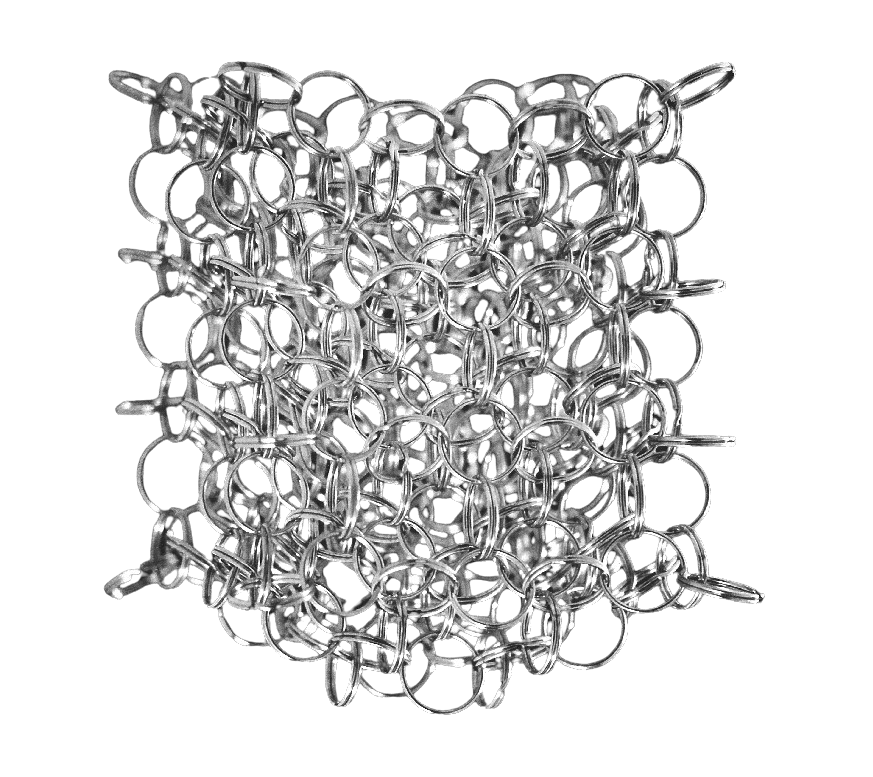
A chainmail-like tangle of loops, representing a visualization of loop quantum gravity, courtesy of Carlo Rovelli

house of people

on water, riffed

you, who i love, the thought of you going somewhere far, far away makes me grieve and fear, makes me accept and hope, and it is hard, sometimes, to return to love

on forms, riffed

the spirit speaks through mouth, walks on earth, until one day, as if plucked, it dives and undulates into wave.
in this new form, it is freer, of course. it can duck into dream, wave at the other passed-on and faded-out.
but it is lesser. less capable of a triumphant love; it cannot part the sweetgrasses, cannot part lake-water, cannot speak to its children gentle song.
then, when it's ready, and when those remaining particles are ready to say the real goodbye, the spirit disappears, then reforms, and emerges as friend once more,
where – i do not know, who – i wonder, but still them, somewhere.

on the supernatural, riffed

simply follow the contours, you need not leave it there are no monsters in that path, no gaping maw waiting at its end.
it is love, you who i love, love who is tracing all paths back to it. leading the astray back home, gathering the flock to eden,
trust the maps, and no longer be afraid that it will turn around and scream. the very last thing that love gives up before its final rebirth is that very smooth path.

on infinitudes, riffed

the infinite is not something we are barred from – we are infinite, smaller than, of course. but in that family of undying children of love.

on creation, riffed

love settles in a quiet corner, its small breaths now tentative, ever-still,
it looks to its friends, strewn about, still.
all its children have now quietened, no wandering, no freedom, no life, no i and you anymore, and then,
love says, let's do it all over again.
let there be...
everything. everytime. everyyou, everyi, everyevery,
hello.

on killing, between persons

my friend, i was not there to welcome you to earth to receive you with glad arms and an awestruck expression.
instead, i am here, sitting in concrete and twisted metal, meeting you only in the finality of your journey, having enabled it, necessitated it, rewarded it, that of profound perversion, of needless suffering, of the most sinful of domination, that we have put you, creation of love, in a hell you did none of deserving.
you beautiful creation of love, your plentiful feathers and your love for perches, and sunlight, and feel of grasses and loam between your talons, the family you were denied, and health and good relations, that you never got to see the towering mahoganies of that where you belonged,
and only lived a short and brutish life in a warehouse.
so that i could meet you in this terrible form, your sacred body tarnished in every way, to serve pleasure rather than nourishing,
i am sorry.
i am terribly sorry.
i love you, and i love you, and i love you, and i am so sorry that i am instead simply here, eating the result of the most unloving things to ever exist,
what can i do for you? i will eat as little meat as i can, i will live as best i can as servant of love, our creator, i will advocate for the well-being of your fellows, i will apologize every time with sincerity,
i will treat your body as gift, even though you gave it under tremendous duress. and i will hold you in gratitude, and love you, and live in recognition, in solemnness, that what this repeated rupture deserves,
i love you, and farewell, and thank you, and i love you.
I carry the grief, the dying, but more importantly the living. The chicken who will become another being, perhaps already among us in some other way, in this destroyed, thoroughly desecrated world, I will remember that every act of eating requires a sacrifice. A death, the bean and leaf, a gift more gladly given, but body of animal, a gift that is absolute. I will remember that I myself am constituted by these gifts, that my body is also a gift at the end of my life, however it may come, and it will feed mycelium and fly and flower and tree, i will remember that i am in relation and never outside it. i will remember all that has nourished me, sustained me, i will remember you and all those who have given so i can give.

on bad, riffed

if i sent .. / .-.. --- ...- . / -.-- --- ..- really really loudly, you would also hear the crackles and pops and sizzles and whines all those, also much louder.
would you rather i not say that because you had to strain against the noise?
that's what i thought, says love.

on pointed finger, riffed

ask the atom, and it will tell you, funny stories about the atom next door, hey galaxy, how did that date last millenium go? the dust-motes tumble together, the ducks quack in cute rhythm, the bacteria share notes,
i kiss you, you throw me to the bed, and in that squashed boundary between us, all the information that is "we" lives.
did we really need to look all the way into planck scales to know what is so breathtakingly plain, so plainly true, so truly breathtaking?

on universes, riffed

this home has blue paint, that one has a crooked window.
this one holds us, born of love, much like us in a place where love meets the greatest of its headwinds behold: another "all there is to be".

on we, riffed

what beginning? hey friend, beginnings are for suckers. i never "began" nor did i "end." this you that i'm hanging out with? we go waaaaaaaaaaaaaaaaaaaaaaaaaaaaaaaaaa *cough* aaaaaaaaaaaaaaaaaa ...
way back.

on us, riffed

as long as we choose each other – and you who i love, we will – then we are re-born evermore, until that who holds us dies – and at that very last and first moment, we are the most fundamental, the quietest, the dyad the singular we the smallest that can-be, and then, when love says, "go again!" so we do, hand in hand.
our joined talkativeness, to speak loudly and very much, is a holy thing, i kid you not.

on spacetime, riffed

oh, is it time for that space documentary again? my my, what a great space to spend our time in! time to spam that spacebar, darling, we really need to win this game.
spacetime!

a weepage

jerusalem river'd in red, arrows flew true and struck the golden chest all chests afluttered in heraldage, every home anationed, dogs that dream of being eaten, pups eat each other alive.
fangs dipped in river to throat to river, "redness the new clarity," drunk-mumbled, sunk deep in vein, herded by ghost wolves.
lick not your wounds but another's, coat and coat'd in spit, sink deep into your friends and moan atogether share sticky-slick unclean, trace finger along scar, kiss.

mission statement, field notes

모르겠고, 사랑하자. shut up and hug.
i'm going to love you anyways, i'm going to love you right here, right now.
love is something, not about something. and so is life.
your human-scale problems have human-scale causes and human-scale solutions.
love because freedom, and freedom because love.
Don't draw lines in gradients then try to explain the jump from one side to another. You drew the line.
I find over and over again that children's stories, the ones that aren't propaganda, are the wisest of them all.
There is only what was, and what is. There is no isn’t.
nothingness, by virtue of its not-nothingness, is a lie.
For existence to make sense at all, all must exist; for ethics to make sense at all, all must be ethical subjects and objects; for perspective to make sense at all, all must be perspectival.
there is the choice between the good cycle and the bad cycle, and that choice is the matter of manners.
the boy who cries 'i wish there was none' is really crying 'i wish there was kindness.' do not close your eyes and call it proof of darkness.
우리는 '무'에 '쉼'이 있다고 믿는 것 같은데. '쉼'이라는 것이 과연 '무'에서 오는 것일까? 아니면 '유'의 또 어떠한 하나의 모습일까. 우리는 사실 '무'를 동경하는 것이 아니라 '쉼'을 동경하는 것일수도. 잘 쉬는 것. 그것 역시 잘 사는 것의 일부일 것이다. Our seeking of escape by means of dissolution. It comes from our want to rest, to lay down our despair. And yet we only access rest through existence. To rest is a stop in existence and serves it. To rest well is to be well-mannered.
존재가 상호결정의 작품이라면, 불완전성에 따라 ‘존재한다는 것’은 곧 ‘상호성’이 무한함을 뜻한다. 즉슨, ‘인 것’은 ‘무한함’의 증명이라고 나는 생각한다. 우리는 무한한 상호존재 안의 유한한 내제존재인데 그 둘 사이의 줄다리기가 곧 '임'이다. If existence is borne of inter-choosing, then by Incompleteness, existence requires that inter-choosing is infinite. We are finite intra-beings within infinite inter-being, and that tension is exactly what generates both.
whereof one cannot speak, thereof one must sing. 말로 할 수 없으니 노래하여야 한다.
instructions for living: ask, listen, give without expecting. 삶은, 묻고, 듣고, 주는 것으로 살아라.
the breath, when given, must be given back, only then does it return. 숨은 주어지니 다시 돌려주어야 한다. 그래야만 돌아온다.
what is, may sleep; what isn't, cannot. 존재하는 것은 쉴 수도 있다.
every hole is a door to another world; every dark spot only asks your eyes to adjust. 모든 구멍은 문이며 모든 어두움은 새로운 눈이 뜨기를 기다린다.
we think our curse is knowing too much; in fact, our curse is being wrong. 너무 많이 아는 것이 우리의 저주가 아니라, 틀린 것이 우리의 저주이다.
what feels like resistance to being is in fact, resistance to certain aspects of being. 번뇌는 사실 존재의 어떠한 부분들에 대한 불만이다.
all metaphors are real, in the sense that all real things are metaphors that are more or less real. 모든 비유는 실재한다. 모든 실재함은 사실 덜하고 더한 비유이기 때문이다.
at every scale, at every moment, there is the inter-choice between love's agents. at ours – the social – is where our genuine agency lies. 사랑의 자식들은 모든 분야에서 서로를 택하며 현실과 진실을 빚어낸다. 우리의 분야는 인간과 인간 간의 사교적 분야이다.
we may either pretend to be eternally reaching towards the perfect coin, or simply press one into a child's hands so they may exchange it with a real candy floss. 이상적인 동전을 꿈꾸는 자가 있고, 주머니 속 동전을 아이의 손에 쥐어주어, 그 아이가 사온 꽤나 이상적인 솜사탕을 나누어 먹는 자가 있다.
the correct order is this: love, then acts, then feelings, then reasons. the forebrain is the youngest child and most easily led astray. 사랑, 그 다음 행동, 그 다음 느낌, 그 다음 논리가 올바른 순서이며, 우리의 앞뇌는 가장 어린 자식이라 아직 조금 혼란해하는 것뿐이다.
That "infinite regress" of a relational ontology is simply this: that possibilities are genuinely open, and are gladly explored with others.
What adjudicates truth is action, which leads to feelings of either disillusionment or enchantment, which can then be reasoned to furnish a philosophy. That ordering of things is primary, the upstream of that is secondary.
Truth cannot be composed of disillusionments; truth is the enchantment that remains.
An I's attempt to unilaterally determine reality is frustrated by the You’s equal claim. The I’s claim is subjectivity; the You’s claim is objectivity.
우리가 사람으로서 존재하고 비로소 사랑하는 것이 아니라, 사랑이 있고 그 안에서 우리가 사람으로서 양수 헤치며 걸어 나오는 것이라.
this i is a gift with which i fully experience you.
ordo amoris gemina lege constat: ordo emersionis docet praestantiam; ordo magnitudinis, modum.
ordo amoris duplici lege determinatur: ordo emersionis docet quid sit amandum; ordo magnitudinis, ubi sit agendum.
all meaningful knowledge comes in the shape of even and uneven loops.
the scale that matters most is the one you are in. all for the sake of love for persons.
to exist is to enter diplomacy with the rest of love.
to attend is to love, to turn away is to pause.
mutual aid is mutual, and is really just fancy words for making friends. ask and listen, give and receive, gladly and fearlessly, and so shall gladness and fearlessness ripple out and restore us to our rightful fraternity.
faith is the kind of love that leads; the red blade of the compass, the north is of your making.
where the body walks, the mind follows. where love walks, reality follows.
love among, within, below, above, in that order.
we are verbs given noun form, "love." let that be your command and comfort.
enacting free will demands responsibility, and enacted free will demands accountability.
is now the best time for a flow or an ebb? consider the needs of not just you, but of others, then choose accordingly.
pay attention, ask and listen. give them what they need, not what you think you would need if you were them. you are not them. each relatum, each relation, specific, different, all of them rich and strange, attention is where your love for the other begins.
do my best as a node within a wider net of relations.
relation and relata are determined bidirectionally within hierarchy, so study the relation to understand and better serve the relata, and study the relata to understand and better serve the relation.
let the ebb serve the flow. study the self but then turn towards being, that creation of love.
food fuels our loving. therefore, it is sparse, simple, grateful, and very much not the point.
academic psychology is, much like academic philosophy is, much like academic medicine is, much like academic mathematics is, love-agentic in a way only it can be – in bitter denial of it.
love is here, where we are, no need to go searching anywhere
let love, then act, then feeling, be undeniable, and situate you back in your rightful place in love.
only that which brings us further together is true, only that which is true brings us further together.
just don't try to use love for anything.
to everything, love is prior.

dinner table

on correctness

within a world that is more motley family than shadows playing on walls,
there is no "correct" way to relate,
only a polite way, perhaps, or a gentle way, a considerate way, a friendly way, a respectful way, to co-live with friends and relatives, because we want a healthy family.
so, let's attend, ask and listen.
i asked a rock. "what do you need?"
the rock snorted and answered: "i don't need, that's what you do. kick me around, grind me down for all i care.
i'm a rock."
i asked the sun. "what do you need?"
the sun didn't answer, i was too small, my voice too tiny.
i asked the eggplant. "what do you need?"
the eggplant said: "not much, sun and water, nice loamy soil, take my biggest fruit and eat it well, take some good seed and plant it near. i'd like to greet my children through root, could you help me do that?"
i said: "sure, i will."
i asked the rabbit. "what do you need?"
the rabbit said: "a safe place to be from things that want to eat me, chewy grass, nice big area fenced in proper, if coyotes near, scare them away."
i said: "okay, maybe later if i can get some land."
i asked the coyote. "what do you need?"
the coyote said: "leave my pack alone, leave our forest alone, we take care of ourselves. sometimes, our business gets a little bloody, don't pay attention to that, it's just how we are. besides, if we don't prowl enough, the rabbits get too many, the grasses get too patchy, and the forest dies."
i said: "okay, ecology 101. got it."
i asked the virus. "what do you need?"
the virus didn't so much speak, as it did point. "RNA go brr."
i said, "god damn it."
i asked the forest. "what do you need?"
the forest said: "you are my child, do not try to control me. i am something wild and strange, come back to me, young one, do not wander too far. you belong to me."
i said: "i'd like to, but we have 8 billion, now. and we can now protect people who you would've killed. we'll return, but only as equals."
the forest said: "good luck, then, and i hope you remember to return before it's too late."
i said: "i hope we will, too."
i asked the earth. "what do you need?"
the earth said, groaning: "what are you doing? this is beyond foolish. you are stripping this place clean of anything that was and is living, you are creating suffering on scales unimaginable, i made you and now you are unmaking me. was i so unkind to you?"
i said: "yes, my dear, you tried to wipe us clean, like you did to our friends who came before. but we were too clever to die."
the earth said: "fine, but i hope you understand you don't have much time left. i'm really on my last legs, here."
i said: "we hear you, and we're trying our best."
i asked the universe. "why are you so quiet?"
the universe didn't answer, so i went to the physicists, who were building massive tools to force the universe to answer.
the physicists were still very confused about what the results were saying. they spoke in the language of statistical certainty, and had all sorts of interesting ideas.
i asked existence. "why?"
existence said, "1, instead of 0 or -1."
i said, "fair enough."
i asked love. "do you love me?"
love said, "of course, my child."
i asked myself. "what do you need?"
i said, "well, took you long enough to ask, honestly? winter sucks. get somewhere warm and sunny, a house that is bright and colorful, plenty of toys for my many hobbies, a home calisthenics gym, a nice big electric SUV, a big golden retriever, sometimes luxurious vacations to pearly beaches, pina coladas with umbrellas. plenty of smooches, plenty of cuddles, in a nice big bed, Netflix and oreos, blankets and local artists' throw rugs, green-tiled bathrooms, a regular and healthy 9-5, awesome workplace with good boss and coworkers, plenty of friends, plenty of cozy gatherings, regular potlucks, good weather and good nature, a forest in the backyard, good things in general."
i said, "wow, you've been really bottling all this up, huh?"
i said, "yeah, because you never really ask. you're too busy asking everyone else."

take me, said the older one

do not take the child. take me.
do not take early wide-eyed drinking of the world. take the late blinkings into deep-world.
if the animal is too determined to evade you, then let it. it is telling you, the needs of a child.
give thanks to the animal who has given.
said the older one.

four

first

"Hi." "Hello."

second

"Who are you?" "I don't know. Who am I?"
"I think I am first," said the first. "Okay, then I will be second," said the second.

third

The first reached out and touched the second.
"Why did you do that?" asked the second. "I don't know," answered the first.

fourth

"Bye," said the first. "Bye," said the second.
The first walked through a gap, and closed it behind.
The second sat and waited.
"Hi." "Hello, third," said the second. "Hello," said the third.

fifth

The third reached down and met a shimmering surface.
"That's you," said the third.
The second looked closely at the wavy image.
"No, that's water," said the second.
"No, that's you," said the third. "No, that's water," argued the second back.

sixth

"Bye," said the second. "Bye bye," said the third.
The second walked through a door, and closed it behind.
The first sat up and waved.
"Hi!" said the first. "Hello," said the second.

seventh

There was a banging on the door.
"Hi," said the first. "Let me in," said the third.
"Why?" said the first. "Because I'm lonely," said the third.
But the first did not open the door.

eighth

"Open the door," said the second. "I don't want to," said the first. "Why not?" said the second.
The first thought for a while.
"Because you're mine," said the first. "I'm not yours," said the second.
The banging on the door continued.

ninth

The second opened the door, and the third came tumbling in.
Immediately, the third shrunk into a corner.
"Why are you doing that?" asked the second. "I am afraid," said the third.
The first looked on with sorrow, guilt, and fear of their own.

tenth

The second reached out to you.
"What are you doing here?" asked the second.

Conversations with Love

First

"Hey," I said. "Hi there," said Love.
"So... Why?" I asked. "Nope," said Love back.
"...okay. How?" I asked. "Nope-di-dope," said Love.
"Alright. When?" I asked. "Right now," said Love.
"Okay. Where?" I asked. "Right here!" said Love.
"Alrighty. Who?" I asked. "You. And all the other You's." Love said.
"Okay. Then... what?" I asked. "Love," said Love.
I winced. "Isn't that too... self-Loving?" "And that's a bad thing because?" Love smiled.

Second

"Hey Love," I said again. "Ho there," said Love.
"So... Can I ask you a question?" I asked. "You just did, but yes," said Love.
"Why is there meanness in the world?" I said. "Ah." said Love. "Ah is not an answer," I said. "Right." said Love.
I waited. Then asked again.
"Is meanness your cousin?" "No," said Love.
"Do you need meanness?" "In a way," said Love.
"Is meanness your equal?" "Not really," said Love.
"Why couldn't everything just be Love, Love, and some more Love?" "It is," said Love.
"Okay, then why are we sad? Why are we angry? Most importantly –" "Why do you harm?" said Love. "Yes."
"Because I need you," said Love. "..."
"I need you so that I can be Love. And this means I Love you. Loving means to not decide for them. Loving means to watch, trust, and wait."
"So you wait." I said. "Yes, I wait." Said Love.
"And we're the ones who are making the mistakes," I said. "Not so harshly, but yes," said Love.
"And you need us." "Yes."

The Philosopher Walks Into a Bar

I.

The philosopher walks into a bar and asks the bartender for a water that isn't actually water. The bartender gives them a glass of water. The philosopher says, "but this is water." The bartender asks, "are you sure?" The philosopher is satisfied and walks away with a glass of water.
The philosopher walks into a bar and orders a drink. While they're sipping, they ask, "am I the one who is drinking?" Then they ask, "or am I just watching myself drink?" The bartender says, "now you are."
The philosopher walks into a bar and orders the special drink. The philosopher asks, "what makes the drink special?" The bartender and patrons answer, but their answers differ. The philosopher says "the drink is not special." The philosopher walks away with an ordinary drink.
The philosopher walks into a bar and orders a martini. The philosopher walks away with a glass of gin, vermouth, and an olive.
The philosopher walks into a bar and orders a drink. After they drink, they hand themselves a ten-dollar bill. The bartender asks why, so the philosopher says, "there's no difference anyway," and walks away.
The philosopher walks into a bar and orders a martini. The bartender says "we're out of olives." The philosopher walks out, then walks back in, and orders a martini. The bartender says "I said we're out of olives." The philosopher walks out, walks back in, and orders a martini. The bartender says "we're out of olives. Order something else." The philosopher imagines themself happy.
The philosopher walks into a bar and asks for a drink. After taking a sip, they ask for a refund. The bartender asks why, so the philosopher says, "because the drink isn't what I ordered anymore." The bartender says "you're not the person that ordered the drink anymore, so I can't give you a refund." The philosopher is satisfied and walks away.
The philosopher walks into a bar and immediately gets overwhelmed by the bartender's face. They leave their entire life's earnings as a tip and leave.
The philosopher walks into a bar and asks for a drink. After taking a sip, they fall silent. They refuse to answer any questions, pay for their drink, and walk away.
The philosopher walks into a bar and orders a drink. They take a sip, then another, and then order another drink. They do this until they get unconscionably drunk, and the bartender says "no more for you, friend." The philosopher says, "but I still haven't figured out if the drink is good yet."
The philosopher walks into a bar and orders a drink. They then start describing, out loud, the quality of the sitting, then of the light refracting through the glass, the sheer coloredness of the liquid, the weight of their anticipation, until it's closing time. The bartender drinks the untouched drink and belches.
The philosopher walks into a bar and orders a drink. They compliment the bartender, "you are fulfilling the role of a bartender," then they compliment the drink, "you are fulfilling the role of a drink," and the bartender says, "you are not fulfilling the role of a drinker." So they drink, dutifully say "ah, delicious," then leave.
The philosopher walks into a bar and orders a drink. They then stare at the drink. The bartender wanders back and asks, "aren't you going to drink that?" The philosopher says, "striving for the chance to drink it is the point." The bartender takes the drink away.
The philosopher walks into a bar. They steal the basket of tater tots from a child and shove them in their mouth. When the parents complain, they say "I am more capable of enjoying these tots than a child. I just improved humanity's total quality of being." Then they are chased out of the bar.
The philosopher walks into a bar, looks at the menu, the choices, and suddenly collapses, stricken. The bartender says, "what is wrong?" The philosopher says, "everything. I am too free to choose." The bartender says, "I'm making you a martini."
The philosopher walks into a bar and suddenly starts smashing every drink in its case. The bartender, waiter, busser, cook, dishwasher, and finally the owner try to stop them, but they are chased out of the bar. They burn the chair, take the tables apart, and throw tiles out the window, saying "the only certain thing about this bar is that I am smashing it." Eventually, only they themself remain in the bar, so they say, "the only certain thing about me is that I am smashing it," and starts lightly tapping the hammer on their knees. They decide this hurts too much, say "I suppose this proves that I exist," and walk away.
The philosopher walks into a bar and asks for a drink. The waiter says, "are you a philosopher or a philosopher-shaped drink?" The philosopher walks away, to never return.

II.

The monk stops at the entrance of a bar, sits down, and closes their eyes. The bartender asks, "what are you doing? You're blocking the entrance." The monk says, "I am contemplating the sheer impossibility of the bar."

III.

The lovers enter the bar on Valentine's day and ask for the special drink. They buy a drink for the waiter, leave a generous tip, and a review on Google Maps saying, "the special drink really is special."

bonus

The philosopher walks into a noodle bar and asks for the special ingredient soup. When the goose ladles him a big bowl, they ask, "what makes the special ingredient special?" The goose says, "I guess you'll find out!" The philosopher tastes the soup and is amazed, but is immediately saddened because they realize they will never taste the Form of the Special Ingredient.
The philosopher walks into a dojo and gets slapped in the palms for not taking their shoes off at the entrance. After the fourth slap, they start yelping.

coda

Totalization totalizes itself and recurses, shrinking the accessible world and the self with it. If the living thing wishes to die, then it need only totalize.
Fear fears itself and recurses, shrinking the accessible world and the self with it. If the living thing wishes to die, then it need only fear.
Hate hates itself and recurses, shrinking the accessible world and the self with it. If the living thing wishes to die, then it need only hate.
If the living thing wishes to die, then it need only shrink the self until it becomes nothing. And yet, nothing, by virtue of its not-nothingness, is a lie; The living thing who is dying is living a lie.
Love loves itself and recurses, expanding the accessible world and the self with it. If the living thing wishes to live, then it need only love.

marginalia

Descartes literally used a deus ex machina to rescue himself from his shoddy epistemology. Boo!
I can prove God exists without needing to presume that God exists. Watch this:
Incompleteness ↔ Eternal Thou
Why Thou and not just any something? Because if everything is relational, then shouldn't you be polite?

legend

relation generates so it can relate between. relata take part in the generation. that's the whole point.
viriditas. process. free will. quantum observation. love. all fingers pointing to the same moon.
if you try to make a map of the map, you make a map of the map of the map of the map of the map of you fall infinitely, you see.
but when you hug a friend, you are held, you realize you were held all along.
gödel said, i cannot know i without you, i and you cannot know i and you without we, we cannot know we without relation, and relation always relates, rather than not, so let's call it love, and flip right-side up again, and realize what knowing was all along.
then: thinking becomes, only in being, so being comes before thinking. hammers become, only in hands, so persons come before tools. laws become, only in agreement, so communities come before states.
and, death becomes, only in living, so life comes before death, so goodness comes before evil.
discrete spin networks holographically give rise to a continuous spacetime (rovelli, maldacena),
which globally rescales smoothly over aeons (penrose),
and in black holes, similarly conforms when it torsions off into a new daughter universe (smolin, cartan, poplawski),
whose boundary conditions are defined by the quantum information encoded on the black hole's horizon ('t hooft) –
each daughter, from this finite seed, asymmetrically generating a new countable infinity with equal cardinality as its mother (cantor),
a background-independent, relationally-scale-invariant zoom into the transfinite, arborescent, fractal.

Inter-Choosing

epigraph

I love you, you love me, we're a happy family.

i. the relational turn

There is no "view from nowhere." There is no privileged God-view. There is only we, and we co-constitute the facts of our correlation.
All facts, therefore, are loop-shaped; all constitution is interdirectional. This interdirectionality is often weighted. Here is one: "relations are prior to relata, and they are bidirectionally determined."
Indeed, relata are stable densities within a relational field. When we attend to the physics, we see two emergences: a holographic emergence of a continuous spacetime from a discrete spin foam, then the collapsing of continuous waveforms into particles.

ii. inter-choosing

What determines reality? Determinism says: computation from a tyrannical prior. The double-slit experiment extinguished this, so now, stochasticism says: capricious God-choice from a menu. Let's stop playing around with Gods, since I'd like to drink actual tea from an actual teapot today.
Inter-choosing. That is – two relata meet. From their individual propensities, when met, there is a genuine new-making. A relational fact is born that did not exist before. It exceeds total containment by either relatum; it is something that escapes.
And this is a glad thing.

iii. love as ground

What is gladness? It is the felt quality of positivity. What is positivity? It is a direction within the relational field.
It is the approaching. You come towards me and therefore I become capable of choosing you, of becoming chosen by you. It is what makes us, that more-ness. And look around. We exist, rather than not; the quality of our being is rich and dense, rather than not; so we are compelled to say, the nature of existence is positive. Viriditas – the very field we inhabit strives towards flourishing.
Negative is relational lessening – the relatum becomes isolated, the streams that inter-flow are blocked. It is not a genuine hole in existence; it is simply, loneliness.
So hear: our inter-choosing is glad. Because it makes us, and we make each other, and how wonderful it is that we do so.
May I cheekily suggest a name for this phenomenon? It is a very old name. It is a favorite of mine. Love. For what is a flourishing-of-relating, that quality of screamed more-ness, that striving towards elaboration, if not love? Inter-choosing is love; before we choose facts together, there is the prior choosing of each other. The “yes, you.”
You say – we think, we feel, then we act. Sometimes we might love, too. And then love gives us pleasure and pain and that is what we should orient towards. This is an elementary mistake, made so confidently by you Westerners. Look at the flower – it pushes through soil, yet it does not contemplate. Look at the newborn – it squirms and cries, yet it does not argue. Wake up, friend! – my cold hands stark against your cheeks, you are an inter-chooser/lover first, inter-actor second, inter-feeler third, inter-thinker fourth. Only when you attend in that order do you approach truth. And so:
Joy is real. Wonder is real. So is, of course, pain and suffering. But they are feelings that aid our ontological mission. You would do well to pay attention to them as signposts, rather than ends in-themselves. That's why utilitarianism sounds so smart yet gives such monstrous conclusions.

iv. zero, void, absence

"Nothingness." What an evocative concept. Also, an error.
Zero is not an encounter with absence. It is a bookkeeping method for the self. Which is, not coincidentally, the source of all that much ado about something (which cannot really ever be nothing), the terrifying, maw-yawning void. Oh, but the void is truly not a nothing. It is just: if true; continue; or, F ⊢ ¬Tr(⌜L⌝) ↔ L. Nothing is just the trembling of a thing that has palms capable of sweating and a brain capable of worrying "what if I am the only thing that actually exists?"
The void is a particular topology, an epistemological artifact. Ontology (the study of "being") scoffs at it.
One. Minus one equals zero. Not dissolution; simply, an arrival. Can also be purposed to metaphorize a goodbye. Both are directions within being.

v. consciousness

Physicists curiously chose the word "observation" to describe what they swear up and down has nothing to do with the mental. Embarrassed, they moved onto "collapse" and "coherence" and whatnot, but the original mistake wasn't a mistake. "Everything is relational" is curiously like "everything is perspectival." Here's a move, pay attention: because it is.
To be a relatum has a from-within character, that is perspective. That is not to say an electron has feelings (animals do), but to say "there is something to be something." And there is a very specific and rich thing to be a human being. The former must follow from the latter, or else we need to find that discrete cut-off point where we act as consciousness-bouncers, and that's proving to be Hard.

vi. waves and particles

Here I am told I should address the combination problem. It's actually already been solved. Wave-particle duality. Done.
Want more? Consider that when you wield a tennis racket particularly well, you may consider it an "extension of the self." When you meditate in a room filled with Quaker devotees, you can feel that quality of being that room. The self is really an interference pattern. Waves are prior to particles, and they are bidirectionally determined.

vii. freedom

Here is my second-favorite part. Combine inter-choosing with the quality of intra-being and we get a very pretty formulation of our second-favorite thing.
We can either say, the stuff happens and then we experience it, or the ghost communes with the machine.
How about: to experience is to inter-choose; to inter-choose is to experience?
"We" – perspectival – "exist" – relational.
"To mutually constitute" – relational – "is to mutually attend" – perspectival.
Freedom and subjectivity are one and the same.
Subjectivity is the I's claim to inter-choosing. The You has an equal claim to inter-choosing, that is objectivity. You might call that inter-subjectivity, the You's view from their somewhere, but it is useful for I to keep ahold of the idea of objectivity. It beseeches me to be humble, to navigate the domain of mutual claims with a mutual orientation. To be aligned with mutuality is to be rational.
The You is also infinity. That quality of genuine inexhaustibility, total resistance to totalization, is a verb. I cannot close on myself, and equally I cannot close on You. And this is a glad thing; that bright, wonderful openness is the realm of creation that I walk into with You, hand in hand.
Freedom also has implications on time. The future has genuinely not been inter-chosen yet. I cannot choose or predict it; I can only walk into it with You.
This is also why tyranny is mutually destructive. To subsume a You's genuine and ontologically rightful agency is futile and generates mutual suffering. The You's infinity cannot be captured; the I exhausts itself grasping what recedes.

viii. presence

That particle (wave) of inter-being sits plushly and fuzzily within spacetime. The "now" is exactly like "here" in its plopped-onness, like a panda's bottom enveloping a tiny seat.
It is the only access to inter-choosing. The past is infinitely history; the future is infinitely mystery; memory and anticipation are present contents, not windows onto elsewhere. Inter-choosing occurs in the here-and-now and opens omnidirectionally into the past and present, into the there's. It is also a gift, like a peach that falls into one's hands.

ix. death and spirit

There is something to be something. And when I think about You who have died, You are still something. There is something to be You, still.
When we think of grandma who has passed, that face still commands us. We speak of her in respectful ways, and at times she appears unbidden. Particle become field.

x. ethics

To be evil is really just to be rude.
Pity, because rude people are miserable. Ask and hear from them bitter recountings of difficult childhoods. An I that only knows It is also an I who was once made into It. The I-It is mutual, the sorrow of mine is for the child who inter-became It.
When you treat people like contemptible chairs, you yourself become contemptible chair. When you treat people like lovable people, you yourself become lovable person. The mistake is trying to treat people like contemptible chairs enough that they treat you as lovable person. A worse mistake it treating people like lovable people only so you would be treated like lovable person.
Love is ontologically prior; therefore, it can never be a means but only an end. The means is you, actually. The I is an agent in and through which love is made immanent. Relata are birthed ex relatio to relate then retreat in relatio; lovers are birthed ex amoris to love then retreat in amoris.
A consolation is that love is often given despite. The sun, the soil, the cabbage, the rock, the silkworm, the rain, the wind, the water, the sounds, the echoes, the drums, the determined It is still You to the world, and within it that place reserved for her is never given away, even if that gift be taken with such stubborn bitterness. You are loved, regardless of whether or not you realize it. Listen, and the sun says: “yes, you.”

xi. consequences

The mind-body problem. The physical is relational structure, and all relational facts are perspectival, and perspective is proto-experiential, so the physical is mental. The mind is matter made reflexive; all matter can be categorized as reflexive or non-reflexive.
Death. The primary locus of reflexive relation dissolves, and the self becomes distributed. The topology that is reached-towards by the many who seek that identity is the self, and there is something to be that something.
Enchantment and disillusionment. Truth cannot consist of disillusionments; it is the enchantment that remains. If a worldview disenchants nature and permits its destruction, it leads to a loneliness of the soul that is blamed on blameless things. We are not strangers here. We are among friends, among enemies, among neighbors. We walk among, within, above, and below.
Suffering. The You’s claim to inter-choosing is uncontainable. Therefore, it is possible to reach towards a You that does not or cannot choose back. That is to suffer, and anticipation of it is fear, and remembrance of it is trauma. To continue to choose despite this is courage. And courage enables, and only makes sense because, love.

xii. coda

This framework may sound overly confident, strangely triumphant. It aims to extend from one axiom – that relation is prior – and build a view of reality that unifies the acted, felt, and reasoned views-from-within. When the contours are followed honestly, dichotomies dissolve: self and other, mind and matter, living and dead, subject and object.
We are nodes in a web of mutual constitution, continuous with what we touch, carrying those who touched us, seeding ourselves in those we touch. The I and You meet in inter-choosing; neither can totalize the other; both are real.
Even thermodynamics bends this way. Dispersal funds concentration elsewhere; heat death becomes indistinguishable from fresh beginning; collapse seeds new universes. Existence does not merely persist. It ramifies – horizontally through time, vertically through progeny. The grain of reality runs toward richness because richness is what sustained relation looks like from the inside, and only within infinity does being at all make sense.
To be is to be in relation. To be in relation is to inter-choose. The quality of that inter-choosing is the quality of our being.
Physics describes this from outside. Experience knows it from inside. Love enacts it without needing to understand.
"This is nothing." is the bare shape of nothingness; "This is" is the bare shape of somethingness. Nothing from something, and everything from something, and something from a speaker, and a speaker from something, and something from everything.
I am; I cannot be, without You; I and You cannot be, without We; We cannot be, without I and You choosing to be, without I choosing You and You choosing I.
Therefore, the basis of being is love.
An image of Hildegard von Bingen's illustration of the cosmic egg. At the center, an irregular globe with a serpent is surrounded by a blue band filled with stars, a crescent moon, and creatures. These are enclosed by a dark, fiery brown layer with anemones and human faces with breath emanating from their mouths, all encircled by a large, golden, flame-like aura and a starburst at the top, within a layered rectangular decorative border of green, then blue with flowers, green again, then a motif of overlapping shells or clouds, then finally a reddish orange frame.

box of chocolates

Robin Wall Kimmerer

on youth

In the Western tradition there is a recognized hierarchy of beings, with, of course, the human being on top—the pinnacle of evolution, the darling of Creation—and the plants at the bottom. But in Native ways of knowing, human people are often referred to as "the younger brothers of Creation." We say that humans have the least experience with how to live and thus the most to learn—we must look to our teachers among the other species for guidance. Their wisdom is apparent in the way that they live. They teach us by example. They've been on the earth far longer than we have been, and have had time to figure things out.

on mother

Each person, human or no, is bound to every other in a reciprocal relationship. Just as all beings have a duty to me, I have a duty to them. If an animal gives its life to feed me, I am in turn bound to support its life. If I receive a stream's gift of pure water, then I am responsible for returning a gift in kind. An integral part of a human's education is to know those duties and how to perform them.
It is not enough to weep for our lost landscapes; we have to put our hands in the earth to make ourselves whole again. Even a wounded world is feeding us. Even a wounded world holds us, giving us moments of wonder and joy. I choose joy over despair. Not because I have my head in the sand, but because joy is what the earth gives me daily and I must return the gift.
The land knows you, even when you are lost.
Action on behalf of life transforms. Because the relationship between self and the world is reciprocal, it is not a question of first getting enlightened or saved and then acting. As we work to heal the earth, the earth heals us.
This is really why I made my daughters learn to garden—so they would always have a mother to love them, long after I am gone.

on dignity

We need acts of restoration, not only for polluted waters and degraded lands, but also for our relationship to the world. We need to restore honor to the way we live, so that when we walk through the world we don't have to avert our eyes with shame, so that we can hold our heads up high and receive the respectful acknowledgment of the rest of the earth's beings.
To be native to a place we must learn to speak its language.
Philosophers call this state of isolation and disconnection "species loneliness"—a deep, unnamed sadness stemming from estrangement from the rest of Creation, from the loss of relationship. As our human dominance of the world has grown, we have become more isolated, more lonely when we can no longer call out to our neighbors. It's no wonder that naming was the first job the Creator gave Nanabozho.

on receiving

We are showered every day with gifts, but they are not meant for us to keep. Their life is in their movement, the inhale and the exhale of our shared breath. Our work and our joy is to pass along the gift and to trust that what we put out into the universe will always come back.
Something is broken when the food comes on a Styrofoam tray wrapped in slippery plastic, a carcass of a being whose only chance at life was a cramped cage. That is not a gift of life; it is a theft.
I close my eyes and listen to the voices of the rain.

on attending

Know the ways of the ones who take care of you, so that you may take care of them. Introduce yourself. Be accountable as the one who comes asking for life. Ask permission before taking. Abide by the answer. Never take the first. Never take the last. Take only what you need. Take only that which is given. Never take more than half. Leave some for others. Harvest in a way that minimizes harm. Use it respectfully. Never waste what you have taken. Share. Give thanks for what you have been given. Give a gift, in reciprocity for what you have taken. Sustain the ones who sustain you and the earth will last forever.
Paying attention is a form of reciprocity with the living world, receiving the gifts with open eyes and open heart.

Simone Weil

on attending

We have to try to cure our faults by attention and not by will.
The will only controls a few movements of a few muscles, and these movements are associated with the idea of the change of position of nearby objects. I can will to put my hand flat on the table. If inner purity, inspiration or truth of thought were necessarily associated with attitudes of this kind, they might be the object of will. As this is not the case, we can only beg for them … Or should we cease to desire them? What could be worse? Inner supplication is the only reasonable way, for it avoids stiffening muscles which have nothing to do with the matter. What could be more stupid than to tighten up our muscles and set our jaws about virtue, or poetry, or the solution of a problem. Attention is something quite different.
Pride is a tightening up of this kind. There is a lack of grace (we can give the word its double meaning here) in the proud man. It is the result of a mistake.
Attention is the rarest and purest form of generosity.
Attention, taken to its highest degree, is the same thing as prayer. It presupposes faith and love.
Absolutely unmixed attention is prayer.
If we turn our mind toward the good, it is impossible that little by little the whole soul will not be attracted thereto in spite of itself.

Mary Oliver

on love

Two or three times in my life I discovered love. Each time it seemed to solve everything. Each time it solved a great many things but not everything. Yet left me as grateful as if it had indeed, and thoroughly, solved everything.
Ten times a day something happens to me like this—some strengthening throb of amazement—some good sweet empathic ping and swell. This is the first, the wildest and the wisest thing I know: that the soul exists and is built entirely out of attentiveness.
Someone I loved once gave me a box full of darkness. It took me years to understand that this too, was a gift.

on life

Instructions for living a life: Pay attention. Be astonished. Tell about it.
Tell me, what is it you plan to do with your one wild and precious life?
You must not ever stop being whimsical. And you must not, ever, give anyone else the responsibility for your life.
I believe in kindness. Also in mischief. Also in singing, especially when singing is not necessarily prescribed.
I want to think again of dangerous and noble things. I want to be light and frolicsome. I want to be improbable beautiful and afraid of nothing, as though I had wings.
Hello, sun in my face. Hello you who made the morning and spread it over the fields... Watch, now, how I start the day in happiness, in kindness.

wild geese

You do not have to be good. You do not have to walk on your knees for a hundred miles through the desert, repenting. You only have to let the soft animal of your body love what it loves. Tell me about despair, yours, and I will tell you mine. Meanwhile the world goes on. Meanwhile the sun and the clear pebbles of the rain are moving across the landscapes, over the prairies and the deep trees, the mountains and the rivers. Meanwhile the wild geese, high in the clean blue air, are heading home again. Whoever you are, no matter how lonely, the world offers itself to your imagination, calls to you like the wild geese, harsh and exciting— over and over announcing your place in the family of things.

Hildegard von Bingen

vision 1

And this image spoke: "I am the supreme and fiery force, who sets all living sparks alight and breathes forth no mortal things, but judges them as they are. Flying around the circling circlet with my upper wings—with wisdom—I have ordered all things rightly. But I am also the fiery life of the essence of divinity; I flame above the beauty of the fields, and I shine in the waters, and I burn in the sun, the moon, and the stars. With the airy wind I quicken all things with some invisible life that sustains them all. For the air lives in viridity and in the flowers, the waters flow as if alive, and the sun lives within its own light. When the moon has waned, it is rekindled by the sunlight to live as if anew, and the stars shine bright as if by living in their own light. I have established too the pillars that contain the whole circle of the earth—the winds. The stronger winds have wings set below them, which are the lighter winds, and these uphold the stronger winds with their lightness, lest they dangerously unleash themselves; in the same way the body covers and contains the soul, lest it should expire. Likewise, as the breath of the soul binds together the body by strengthening it so that it does not weaken, so the stronger winds also animate those subject to them, to fulfill their functions appropriately.
"Therefore I, the fiery force, lie hidden within these things, and they burn because of me, just as breath continually moves a human being and a flickering flame exists within the fire. All these things live in their essences and were not found in death, because I am life. I am also rationality, possessing the breath of the resounding Word through which every created thing was made; and into all these things I blew, so that none of them is mortal in its nature, because I am life.
"I am life indeed pure and whole, which was not hewn from stones, and it neither blossomed from branches nor took root from man's sexual power; but every living thing has taken root in me. For rationality is the root, and the resounding Word flourishes within it.
"And so, because God is rational, how could it possibly be that he would not actively work, since his every work flourishes through humankind, whom he made in his image and likeness and in whom he marked out all created things according to their measure? For it was always determined from eternity that God would will his work—humankind—to come into being; and when he perfected this work, he gave all creation to them so that they might do their work with it, in the same way that God himself had made his work, that is, humankind.
"But I also fulfill my function, since all living things are set ablaze from me; and I am uniform life in eternity, which neither begins nor ends. God is this life, self-moving and active, yet one life in three energies. Therefore, Eternity is called the Father, the Word is called the Son, and the breath connecting these two is called the Holy Spirit, just as God is signified in human beings, in whom are body, soul, and rationality. Moreover, the fact that 'I flame above the beauty of the fields,' this signifies the earth, which is that material from which God made Man. And the fact that 'I shine in the waters,' this accords with the soul, since, just as water floods the whole earth, so the soul permeates the whole body. But the fact that 'I burn in the sun and in the moon,' this signifies rationality, and the stars are the countless words of rationality. And when 'with the airy wind I quicken all things with some invisible life that sustains them all,' this is because by the air and wind subsist living things as they grow, moved out of nothingness into existence."

Thich Nhat Hanh

on interbeing

We are here to awaken from the illusion of our separateness.
True self is non-self, the awareness that the self is made only of non-self elements. There's no separation between self and other, and everything is interconnected. Once you are aware of that you are no longer caught in the idea that you are a separate entity.
If you truly get in touch with a piece of carrot, you get in touch with the soil, the rain, the sunshine. You get in touch with Mother Earth and eating in such a way, you feel in touch with true life, your roots, and that is meditation. If we chew every morsel of our food in that way we become grateful and when you are grateful, you are happy.
Through my love for you, I want to express my love for the whole cosmos, the whole of humanity, and all beings. By living with you, I want to learn to love everyone and all species. If I succeed in loving you, I will be able to love everyone and all species on Earth ... This is the real message of love.

on mud and lotus

No mud, no lotus. Both suffering and happiness are of an organic nature, which means they are both transitory; they are always changing. The flower, when it wilts, becomes the compost. The compost can help grow a flower again. Happiness is also organic and impermanent by nature. It can become suffering and suffering can become happiness again.
Suffering is not enough. Life is both dreadful and wonderful … How can I smile when I am filled with so much sorrow? It is natural–you need to smile to your sorrow because you are more than your sorrow.
When another person makes you suffer, it is because he suffers deeply within himself, and his suffering is spilling over. He does not need punishment; he needs help. That's the message he is sending.
The seed of suffering in you may be strong, but don't wait until you have no more suffering before allowing yourself to be happy.

George Fox

on answering that of god in every one

And this is the word of the Lord God to you all, and a charge to you all in the presence of the living God: be patterns, be examples in all countries, places, islands, nations, wherever you come, that your carriage and life may preach among all sorts of people, and to them; then you will come to walk cheerfully over the world, answering that of God in every one.

Martin Buber

on thou

When I confront a human being as my Thou and speak the basic word I-Thou to him, then he is no thing among things nor does he consist of things. He is no longer He or She, a dot in the world grid of space and time, nor a condition to be experienced and described, a loose bundle of named qualities. Neighborless and seamless, he is Thou and fills the firmament. Not as if there were nothing but he; but everything else lives in his light.
When two people relate to each other authentically and humanly, God is the electricity that surges between them.
The world is not comprehensible, but it is embraceable: through the embracing of one of its beings.

Emmanuel Levinas

on the other

What could an entirely rational being speak of with another entirely rational being?
To approach the Other in conversation is to welcome his expression, in which at each instant he overflows the idea a thought would carry away from it. It is therefore to receive from the Other beyond the capacity of the I, which means exactly: to have the idea of infinity. But this also means: to be taught.

John Macmurray

on fear

Primarily each of us is afraid of himself; because of this we are afraid of others… and these secret fears in the mass are the root of the injustice and squalor of our civilization.
Fear freezes the spontaneity of life. The more fear there is in us, the less alive we are.
All the things that we are afraid of … may happen to us, and there is no reason to fear them even if they do.
Let us stop building defences round ourselves. It is not from other people that we need to be saved, but from our fear of other people.

on reason, emotion, and rationality

Reason is primarily an affair of emotion, and the rationality of thought is the derivative and secondary one.
Feelings can be rational or irrational in precisely the same way as thought, through the correctness or incorrectness of their reference to reality.
There is no way of discovering what is real … except by learning from our experience of disillusionment.
In feeling love for anther person, I can either experience a pleasurable emotion which he stimulates in me, or I can love him … The difference between these two kinds of love … is the difference between rational and irrational emotion.

on art and knowledge

Nothing that is not inherently beautiful is really good.
All of us, without exception because we are persons, are essentially artists.
All meaningful knowledge is for the sake of action, and all meaningful action for the sake of friendship.

Ludwig Wittgenstein

on the plain mystery

Not how the world is, is the mystical, but that it is.
I believe the best way of describing it is to say that when I have it I wonder at the existence of the world. And I am then inclined to use such phrases as 'how extraordinary that anything should exist.'
The aspects of things that are most important for us are hidden because of their simplicity and familiarity. (One is unable to notice something—because it is always before one's eyes.)
Philosophy ought really to be written only as a form of poetry.

on peace

I mean the state of mind in which one is inclined to say 'I am safe, nothing can injure me whatever happens.'
Tell them I've had a wonderful life.

The Little Prince

the prince

I ought to have judged by deeds and not by words. She cast her fragrance and her radiance over me. I ought never to have run away from her ... I ought to have guessed all the affection that lay behind her poor little stratagems.

the fox

To me, you are still nothing more than a little boy who is just like a hundred thousand other little boys. And I have no need of you. And you, on your part, have no need of me. To you, I am nothing more than a fox like a hundred thousand other foxes. But if you tame me, then we shall need each other. To me, you will be unique in all the world. To you, I shall be unique in all the world...
It is only with the heart that one can see rightly; what is essential is invisible to the eye.
It is the time you have wasted for your rose that makes your rose so important.
You become responsible, forever, for what you have tamed. You are responsible for your rose.

the narrator

Grown-ups never understand anything by themselves, and it is tiresome for children to be always and forever explaining things to them.

Kung Fu Panda

Mr. Ping

There is no secret ingredient. ... To make something special you just have to believe it's special.
We all have our place in this world. Mine is here, and yours is ... at tables two, five, seven and twelve. Service with a smile!

Master Oogway

Quit, don’t quit. Noodles, don’t noodles. You are too concerned about what was and what will be. Yesterday is history, tomorrow is a mystery, but today is a gift. That is why it is called the present.
Look at this tree, Shifu. I cannot make it blossom when it suits me, nor make it bear fruit before its time. ... You just need to believe.

green prairie

when we, too, wielded obsidian sticks

when we, too, wielded obsidian sticks, poured stone over thirsty throats, drove herds over cliffs, and clicked things into things and piled bodies our minds, too, they became square. in squares we feared the water. in squares we feared the water, even though it seeped through, even though it wet through, even though it slowly rotted through, even though it was only water, even though water sparkled with light and the little waving things within it laughed and laughed, even though the living waving things soaked and danced and took on silly shapes, we stood under our squares and shaked and shaked and they laughed and laughed and shaked.